Solar System & Space- 100 Facts

Solar system with planet

Solar System & Space- 100 Facts


(1)  What is the center of our solar system?
Answer : The Sun
(2) What is the primary gas component of the Sun?
Answer : Hydrogen (H)
(3) What process generates the Sun’s energy?
Answer : Nuclear Fusion
(4) How many planets orbit the Sun?
Answer : Eight
(5) In which galaxy is our solar system located?
Answer : The Milky Way Galaxy
(6) What is the shape of a planet’s orbit around the Sun?
Answer : Elliptical
(7) What force keeps the planets in orbit around the Sun?
Answer : Gravity
(8) What is the name of the cloud of gas and dust from which the solar system formed?
Answer : Solar Nebula
(9) Approximately how old is the Solar System?
Answer : 4.6 billion years
(10) What fraction of the solar system’s total mass is contained within the Sun?
Answer : Approximately 99.8%
(11) What is the visible surface of the Sun called?
Answer : Photosphere
(12) How long does it take for light from the Sun to reach Earth?
Answer : About 8 minutes 20 seconds
(13) What is the Sun’s outer atmosphere, visible during a total eclipse?
Answer : Corona
(14) Which group of planets are the inner, rocky planets?
Answer : Terrestrial Planets
(15) Which group of planets are the outer, gas-dominated planets?
Answer : Jovian Planets (or Gas Giants)
(16) What is the Kuiper Belt?
Answer : A ring of icy bodies beyond Neptune
(17) What large, spherical region is theorized to be the source of long-period comets?
Answer : The Oort Cloud
(18) What name is given to pieces of space rock or metal that enter Earth’s atmosphere?
Answer : Meteors (or shooting stars)
(19) What is a piece of space rock that hits Earth’s surface called?
Answer : Meteorite
(20) What is a “dirty snowball” made of rock and ice that orbits the Sun?
Answer : Comet

(21) Which planet is closest to the Sun?
Answer : Mercury
(22) Which is the hottest planet in the solar system?
Answer : Venus
(23) Which planet is known as the “Evening Star” or “Morning Star”?
Answer : Venus
(24) Which planet is known as Earth’s twin?
Answer : Venus
(25) Which is the third planet from the Sun?
Answer : Earth
(26) Which planet is known as the “Red Planet”?
Answer : Mars
(27) What are the two small moons of Mars?
Answer : Phobos and Deimos
(28) What is the largest planet in the solar system?
Answer : Jupiter
(29) What is the famous, long-lived storm on Jupiter called?
Answer : The Great Red Spot
(30) What is the largest moon in the entire solar system?
Answer : Ganymede (a moon of Jupiter)
(31) Which planet is known for its prominent, spectacular ring system?
Answer : Saturn
(32) What is Saturn’s largest moon?
Answer : Titan
(33) Which planet appears bluish-green due to methane gas in its atmosphere?
Answer : Uranus
(34) Which is the only planet that rotates on its side?
Answer : Uranus
(35) Which is the farthest planet from the Sun?
Answer : Neptune
(36) Which planet has the coldest recorded temperature?
Answer : Neptune
(37) Where is the asteroid belt located?
Answer : Between the orbits of Mars and Jupiter
(38) Name the largest asteroid in the asteroid belt.
Answer : Ceres
(39) What is the name of Earth’s only natural satellite?
Answer : The Moon
(40) How long does it take the Moon to orbit the Earth once?
Answer : About 27.3 days (sidereal period)

(41) What causes the Moon’s changing shapes (New Moon, Full Moon, etc.)?
Answer : Phases (due to changing view of the sunlit side)
(42) Which planet has the most moons (as of late 2024)?
Answer : Saturn
(43) Which dwarf planet was once considered the ninth planet?
Answer : Pluto
(44) What is the name of Pluto’s largest moon?
Answer : Charon
(45) Which inner planet rotates backwards (clockwise) compared to most other planets?
Answer : Venus
(46) What are the three largest dwarf planets (besides Pluto)?
Answer : Ceres, Eris, and Makemake
(47) What is the name of Jupiter’s volcanically active moon?
Answer : Io
(48) What does the term “geoid” describe?
Answer : The actual shape of the Earth
(49) Which planet has an axial tilt closest to that of Earth?
Answer : Mars
(50) What is the region around a star where liquid water could exist called?
Answer : Habitable Zone (or Goldilocks Zone)
(51) What is a huge system of billions of stars, gas, and dust held together by gravity? A Galaxy
(52) What is the closest major galaxy to the Milky Way? Andromeda
(53) What do we call a star that suddenly increases greatly in brightness because of a catastrophic explosion? Supernova
(54) What is the extremely dense remnant of a massive star after a supernova? Neutron Star
(55) What is a region of spacetime where gravity is so strong that nothing, not even light, can escape? Black Hole
(56) What is the scientific theory that explains the origin of the universe?
Answer : The Big Bang Theory
(57) What phenomenon provides evidence that the universe is expanding?
Answer : Redshift of distant galaxies
(58) What is a constellation?
Answer : A group of stars forming a recognizable pattern
(59) Which star is currently the “North Star” (Polaris)?
Answer : Alpha Ursae Minoris
(60) What is the brightest star in the night sky?
Answer : Sirius

(61) Which telescope was launched in 1990 and revolutionized astronomy?
Answer : Hubble Space Telescope
(62) Which telescope is considered Hubble’s successor, launched in 2021?
Answer : James Webb Space Telescope (JWST)
(63) What was the name of the first human-made object sent into space?
Answer : Sputnik 1
(64) Who was the first human in space?
Answer : Yuri Gagarin
(65) Who was the first human to walk on the Moon?
Answer : Neil Armstrong
(66) What year did the first crewed mission land on the Moon?
Answer : 1969
(67) What is the name of the international facility orbiting Earth that serves as a research laboratory? Answer : International Space Station (ISS)
(68) Which NASA program landed astronauts on the Moon?
Answer : Apollo Program
(69) What space probe was the first to explore all four gas giants?
Answer : Voyager 2
(70) What are the four primary layers of the Earth’s atmosphere?
Answer : Troposphere, Stratosphere, Mesosphere, Thermosphere
(71) What protects Earth from harmful solar and cosmic radiation?
Answer : Magnetosphere
(72) What is the collective name for the visible light display near Earth’s poles?
Answer : Aurora Borealis (North) and Aurora Australis (South)
(73) What term is used to describe the apparent backward motion of a planet as viewed from Earth? Answer : Retrograde Motion
(74) What are the closest four planets to the Sun called?
Answer : Inner Planets
(75) What are the four farthest planets from the Sun called?
Answer : Outer Planets
(76) What is the name of the small, dense star remnant that has exhausted its nuclear fuel?
Answer : White Dwarf
(77) What is a “Nebula”?
Answer : A giant cloud of gas and dust in space
(78) Who proposed the theory that the Earth revolves around the Sun (Heliocentrism)?
Answer : Nicolaus Copernicus
(79) What is the name of the phenomenon where the Moon appears larger near the horizon?
Answer : Moon Illusion (an optical illusion)
(80) What do the initials NASA stand for?
Answer : National Aeronautics and Space Administration

(81) What is a “light-year”?
Answer : A unit of distance light travels in one year
(82) Approximately how far is a light-year in kilometers?
Answer : About 9.46 trillion km
(83) What is the name of the small, dense, non-planet icy bodies within the Kuiper Belt?
Answer : Kuiper Belt Objects (KBOs)
(84) What causes the Earth’s ocean tides?
Answer : The gravitational pull of the Moon and the Sun
(85) When a meteor shower occurs, what celestial body are the meteors often associated with?
Answer : Comets
(86) What is the difference between a solar and a lunar eclipse?
Answer : Solar: Moon blocks the Sun; Lunar: Earth blocks the Sun’s light from the Moon
(87) How long does it take the Earth to complete one rotation on its axis?
Answer : 24 hours (or 23 hours 56 minutes)
(88) How long does it take the Earth to complete one revolution around the Sun?
Answer : 365.25 days
(89) What is the collective term for Mercury, Venus, Earth, and Mars?
Answer : Inner Planets
(90) What is the study of celestial bodies and the universe called?
Answer : Astronomy
(91) Who was a famous astronomer of ancient India?
Answer : Aryabhatta
(92) What does “Planetai,” the Greek word from which “planet” is derived, mean?
Answer : Wanderers
(93) Which planet has a day that is longer than its year?
Answer : Venus
(94) Which planet is the least dense and would float in water?
Answer : Saturn
(95) What is the name of the large impact crater on the Moon’s surface?
Answer : Maria (Seas)
(96) What is the main component of Earth’s atmosphere?
Answer : Nitrogen (78% )
(97) What causes the stars to “twinkle”?
Answer : Turbulence in Earth’s atmosphere
(98) What is the name of the giant storm system that has been observed on Neptune?
Answer : The Great Dark Spot
(99) What is the primary cause of Earth’s seasons?
Answer : The tilt of Earth’s axis (axial tilt)
(100) What is the boundary separating the solar system from interstellar space called?
Answer : Heliopause


by Result Plot
सौर ऊर्जा (Solar energy) -एक परिचय

Solar Energy

सौर ऊर्जा -एक परिचय

सौर ऊर्जा (Solar energy) का मतलब है सूर्य की रोशनी से बिजली बनाना। यह एक ऐसी प्रक्रिया है जिसमें सूर्य से निकलने वाली ऊर्जा को इकट्ठा करके उसे बिजली में बदला जाता है। यह काम मुख्य रूप से सोलर पैनल (Solar Panel) की मदद से होता है।

Solar Energy
Solar Energy

सोलर पैनल कैसे काम करते हैं?

सोलर पैनल को फोटोवोल्टाइक (Photovoltaic – PV) पैनल भी कहते हैं। ‘फोटो’ का मतलब है ‘रोशनी’ और ‘वोल्टाइक’ का मतलब है ‘बिजली’। यह पैनल सिलिकॉन (silicon) जैसी अर्धचालक (semiconductor) सामग्री से बनी कोशिकाओं (cells) से बने होते हैं। प्रक्रिया कुछ इस तरह होती है:

सूर्य की रोशनी का अवशोषण: जब सूर्य की किरणें इन सोलर पैनल पर पड़ती हैं, तो पैनल में मौजूद सिलिकॉन की कोशिकाएं इन किरणों को सोख लेती हैं।

  1. इलेक्ट्रॉन का प्रवाह: सूर्य की ऊर्जा सिलिकॉन के परमाणुओं में मौजूद इलेक्ट्रॉनों को उत्तेजित करती है। ये इलेक्ट्रॉन अपनी जगह से निकलकर बहना शुरू कर देते हैं, जिससे एक विद्युत प्रवाह (electric current) पैदा होता है।
  2. बिजली में बदलना: यह प्रवाह डायरेक्ट करंट (DC) कहलाता है। आपके घर में इस्तेमाल होने वाली ज़्यादातर बिजली अल्टरनेटिंग करंट (AC) होती है। इसलिए, DC बिजली को AC में बदलने के लिए एक डिवाइस का इस्तेमाल होता है, जिसे इनवर्टर (Inverter) कहते हैं।
  3. बिजली का उपयोग: इनवर्टर से निकलने वाली AC बिजली को सीधे आपके घर के उपकरणों को चलाने के लिए इस्तेमाल किया जा सकता है या इसे बाद में इस्तेमाल के लिए बैटरी में स्टोर किया जा सकता है।

सौर ऊर्जा के फायदे

  • पर्यावरण के अनुकूल: यह प्रदूषण नहीं फैलाती और कार्बन उत्सर्जन को कम करती है।
  • नवीकरणीय (Renewable): सूर्य की ऊर्जा कभी खत्म नहीं होगी, इसलिए यह एक सतत (sustainable) ऊर्जा स्रोत है।
  • लंबे समय में लागत में कमी: एक बार सोलर सिस्टम लगाने के बाद, बिजली का बिल बहुत कम हो जाता है।

संक्षेप में, सोलर ऊर्जा सूर्य की रोशनी का इस्तेमाल करके उसे सीधे बिजली में बदलती है, जिससे यह पर्यावरण के लिए एक बेहतरीन और टिकाऊ विकल्प बन जाती है।

सौर ऊर्जा के क्षेत्र में विकास

सौर ऊर्जा के क्षेत्र में कई बड़े और रोमांचक विकास हो रहे हैं, जो इसे पहले से कहीं ज़्यादा कुशल, सस्ता और सुलभ बना रहे हैं। ये केवल पैनलों तक ही सीमित नहीं हैं, बल्कि ऊर्जा को स्टोर करने और उसे इस्तेमाल करने के नए-नए तरीक़ों तक भी फैल रहे हैं।

. नई टेक्नोलॉजी वाले सोलर पैनल

  • पेरोव्स्काइट सोलर सेल (Perovskite Solar Cells): यह एक नई सामग्री है जो पारंपरिक सिलिकॉन से बनी सेल की तुलना में ज़्यादा रोशनी सोख सकती है। ये सस्ते, हल्के और लचीले होते हैं। इन्हें खिड़कियों पर, कपड़ों पर, या किसी भी मुड़ने वाली सतह पर लगाया जा सकता है, जिससे सौर ऊर्जा का उपयोग करने के नए रास्ते खुल रहे हैं।
  • बाइफेशियल पैनल (Bifacial Panels): ये पैनल दोनों तरफ़ से सूरज की रोशनी को सोख सकते हैं – सामने से सीधी रोशनी और पीछे से ज़मीन या अन्य सतह से परावर्तित (reflected) होने वाली रोशनी। इससे ये ज़्यादा बिजली पैदा करते हैं, खासकर जब इन्हें रेत या बर्फ वाली जगह पर लगाया जाता है।
  • पारदर्शी सोलर पैनल (Transparent Solar Panels): ऐसी तकनीक पर काम हो रहा है जिससे आपकी खिड़कियां और कांच की सतहें भी बिजली बना सकें। ये पैनल दिखने में सामान्य खिड़कियों जैसे ही होते हैं, लेकिन ये सूरज की अल्ट्रावायलेट और इन्फ्रारेड किरणों को बिजली में बदल देते हैं।


 ऊर्जा भंडारण (Energy Storage) में सुधार

सौर ऊर्जा केवल दिन में ही बनती है, इसलिए रात में या बादलों वाले दिनों में इसका इस्तेमाल करने के लिए इसे स्टोर करना ज़रूरी है।

  • उन्नत बैटरी (Advanced Batteries): लिथियम-आयन बैटरी की क्षमता लगातार बढ़ रही है और उनकी क़ीमतें घट रही हैं। इसके अलावा, फ्लो बैटरी (Flow batteries) और सॉलिड-स्टेट बैटरी (Solid-state batteries) जैसी नई बैटरी तकनीकों पर भी शोध चल रहा है, जो लंबे समय तक ऊर्जा को स्टोर कर सकती हैं।


सोलर प्रोजेक्ट:

  • फ्लोटिंग सोलर फ़ार्म (Floating Solar Farms): पानी के ऊपर सोलर पैनल लगाने की तकनीक तेज़ी से लोकप्रिय हो रही है। यह ज़मीन की बचत करती है और पानी से मिलने वाली ठंडक के कारण पैनल की दक्षता (efficiency) भी बढ़ जाती है।
  • कृषि-वोल्टाइक्स (Agrivoltaics): इसमें सोलर पैनलों को खेती वाली ज़मीन के ऊपर इस तरह लगाया जाता है कि पैनल के नीचे खेती की जा सके। इससे एक ही ज़मीन से बिजली और फ़सल, दोनों का उत्पादन होता है।

 भारत में हो रहे विकास

भारत सरकार भी सौर ऊर्जा को बढ़ावा देने के लिए कई योजनाएं चला रही है, जैसे पीएम सूर्य घर योजना। इससे लोग अपनी छतों पर सोलर पैनल लगा पा रहे हैं। भारत में सोलर पैनल और सेल के उत्पादन में भी तेज़ी से वृद्धि हुई है, जिससे हम विदेशों पर अपनी निर्भरता कम कर रहे हैं।

इन सभी विकासों से यह साफ़ है कि सौर ऊर्जा भविष्य की सबसे बड़ी ऊर्जा ज़रूरतों को पूरा करने में एक महत्वपूर्ण भूमिका निभाएगी।

सौर ऊर्जा प्रोजेक्ट्स कई प्रकार के होते हैं, जिन्हें उनके आकार, स्थान और उपयोग के आधार पर वर्गीकृत किया जाता है। यहाँ कुछ मुख्य प्रकार दिए गए हैं:

  1. रूफटॉप सोलर (Rooftop Solar)

यह सबसे आम और लोकप्रिय प्रकार का सोलर प्रोजेक्ट है।

  • विवरण: इसमें घरों, अपार्टमेंटों, या वाणिज्यिक इमारतों की छतों पर सोलर पैनल लगाए जाते हैं।
  • उपयोग: उत्पादित बिजली का उपयोग सीधे उसी इमारत की बिजली ज़रूरतों को पूरा करने के लिए किया जाता है। बची हुई बिजली को ग्रिड में वापस भेजा जा सकता है।
  • विशेषता: यह छोटे से मध्यम स्तर के प्रोजेक्ट होते हैं जो व्यक्तिगत या छोटे व्यवसायों के लिए फ़ायदेमंद हैं।
  1. ग्राउंड-माउंटेड सोलर (Ground-Mounted Solar)

जैसा कि नाम से पता चलता है, ये प्रोजेक्ट ज़मीन पर स्थापित किए जाते हैं।

  • विवरण: सोलर पैनलों को बड़े-बड़े ढांचों पर ज़मीन से कुछ दूरी पर लगाया जाता है। इसके लिए काफ़ी खाली ज़मीन की ज़रूरत होती है।
  • उपयोग: यह बड़े पैमाने पर बिजली उत्पादन के लिए होते हैं और आमतौर पर इन्हें ग्रिड में बिजली बेचने के लिए बनाया जाता है।
  • विशेषता: ये बड़े सोलर फ़ार्म (Solar Farms) या सोलर पार्क (Solar Parks) होते हैं, जो कई मेगावाट (MW) बिजली पैदा कर सकते हैं।
  1. फ्लोटिंग सोलर (Floating Solar)

यह एक नया और तेज़ी से विकसित हो रहा प्रकार है।

  • विवरण: इसमें सोलर पैनलों को पानी की सतह पर तैरते हुए ढांचों पर लगाया जाता है, जैसे झीलों, जलाशयों या तालाबों पर।
  • उपयोग: इसका मुख्य लाभ यह है कि यह ज़मीन का उपयोग नहीं करता और पानी के वाष्पीकरण (evaporation) को भी कम करता है। पानी की ठंडक से पैनलों की दक्षता (efficiency) भी बढ़ती है।
  • विशेषता: यह उन क्षेत्रों के लिए एक उत्कृष्ट विकल्प है जहाँ ज़मीन की कमी है।
  1. बिल्डिंग-इंटीग्रेटेड फोटोवोल्टाइक्स (BIPV)

इस प्रकार में सोलर पैनलों को इमारत की संरचना के साथ एकीकृत (integrated) किया जाता है।

  • विवरण: इसमें सोलर पैनल सिर्फ़ छत पर नहीं लगाए जाते, बल्कि वे इमारत के हिस्से बन जाते हैं, जैसे खिड़कियां, दीवारें, या बालकनी की रेलिंग।
  • उपयोग: यह सौंदर्यशास्त्र (aesthetics) के लिए अच्छा है क्योंकि पैनल इमारत के डिज़ाइन में seamlessly मिल जाते हैं।
  • विशेषता: यह ज़्यादा महंगे होते हैं, लेकिन ये आधुनिक और ऊर्जा-कुशल इमारतों के लिए एक स्मार्ट विकल्प हैं।
  1. हाइब्रिड सोलर सिस्टम (Hybrid Solar System)

यह एक सिस्टम है जो सोलर और किसी अन्य ऊर्जा स्रोत को एक साथ जोड़ता है।

  • विवरण: यह आमतौर पर सोलर पैनल, बैटरी स्टोरेज और एक पारंपरिक जनरेटर (जैसे डीजल) या ग्रिड से जुड़ा होता है।
  • उपयोग: जब सूरज नहीं होता, तो यह बैटरी या दूसरे स्रोत से बिजली लेता है, जिससे बिजली की आपूर्ति में निरंतरता बनी रहती है।
  • विशेषता: यह उन क्षेत्रों के लिए आदर्श है जहाँ बिजली की आपूर्ति अनियमित है या जहाँ ग्रिड उपलब्ध नहीं है।

ये सभी प्रकार अपने-अपने उद्देश्यों और ज़रूरतों के हिसाब से उपयोगी हैं और सौर ऊर्जा को अधिक से अधिक लोगों तक पहुँचाने में मदद कर रहे हैं।

सौर ऊर्जा का इस्तेमाल सिर्फ़ बिजली बनाने तक ही सीमित नहीं है। यह हमारे जीवन के कई और पहलुओं को बेहतर बना रही है।

  1. सोलर कुकर (Solar Cookers)
  • कैसे काम करता है? यह एक बॉक्स जैसा उपकरण होता है जिसके अंदर से सूर्य की रोशनी को सोखा जाता है। यह रोशनी बॉक्स के अंदर गर्मी पैदा करती है, जिसका उपयोग खाना पकाने के लिए किया जाता है।
  • क्या फ़ायदा है? इससे गैस और लकड़ी का इस्तेमाल कम होता है, जिससे प्रदूषण में कमी आती है और ईंधन का ख़र्च बचता है। यह खाना धीरे-धीरे और समान रूप से पकाता है, जिससे खाने के पोषक तत्व (nutrients) बने रहते हैं।
  1. सोलर वॉटर हीटर (Solar Water Heaters)
  • कैसे काम करता है? इसमें पैनलों का उपयोग पानी को गर्म करने के लिए किया जाता है। इन पैनलों में काले रंग के ट्यूब होते हैं, जो सूर्य की गर्मी को सोखते हैं और इन ट्यूबों से गुज़रने वाला पानी गर्म हो जाता है।
  • क्या फ़ायदा है? यह घरों और होटलों में पानी गर्म करने के लिए बिजली या गैस पर निर्भरता को कम करता है, जिससे बिजली के बिल में बड़ी बचत होती है।
  1. सोलर ड्रायर (Solar Dryers)
  • कैसे काम करता है? यह उपकरण हवा को गर्म करने के लिए सौर ऊर्जा का उपयोग करता है। इस गर्म हवा से सब्ज़ियों, फलों या अनाजों को सुखाया जाता है।
  • क्या फ़ायदा है? यह पारंपरिक धूप में सुखाने के तरीक़े से ज़्यादा स्वच्छ और तेज़ होता है, और यह फ़सलों को धूल या कीड़ों से बचाता है।
  1. सोलर पंप (Solar Pumps)
  • कैसे काम करता है? सोलर पैनलों से मिली बिजली का इस्तेमाल सीधे पानी के पंपों को चलाने के लिए किया जाता है, जो कुओं, नदियों या तालाबों से पानी निकाल सकते हैं।
  • क्या फ़ायदा है? यह उन ग्रामीण और दूरदराज के क्षेत्रों के लिए बहुत उपयोगी है जहाँ बिजली नहीं है। किसानों को सिंचाई (irrigation) के लिए डीज़ल जनरेटर पर निर्भर नहीं रहना पड़ता, जिससे लागत में कमी आती है।
  1. ट्रांसपोर्ट और चार्जिंग स्टेशन
  • कैसे काम करता है? अब सोलर ऊर्जा का उपयोग इलेक्ट्रिक वाहनों (EVs) को चार्ज करने के लिए भी किया जा रहा है। कई चार्जिंग स्टेशन अपनी बिजली सोलर पैनलों से बनाते हैं।
  • क्या फ़ायदा है? यह इलेक्ट्रिक वाहनों के लिए एक स्वच्छ और नवीकरणीय ऊर्जा स्रोत प्रदान करता है, जिससे पर्यावरण पर सकारात्मक असर पड़ता है।

इन सभी उपयोगों से यह साफ़ है कि सौर ऊर्जा सिर्फ़ एक बिजली का स्रोत नहीं, बल्कि एक बहु-उपयोगी (versatile) समाधान है जो रोज़मर्रा की कई ज़रूरतों को पूरा कर सकता है।


by www.resultplot.com

स्मार्ट मीटर (Smart Meter) : एक जानकारी

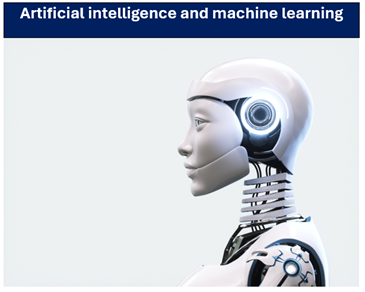
आर्टिफिशियल इंटेलिजेंस (AI) और मशीन लर्निंग (ML)

स्मार्ट मीटर (Smart Meter) : एक परिचय


एक स्मार्ट मीटर एक आधुनिक इलेक्ट्रॉनिक उपकरण है जो आपके घर में इस्तेमाल होने वाली बिजली, गैस या पानी की खपत को मापता है और इसकी जानकारी वायरलेस तरीके से ऊर्जा प्रदाता (utility company) को भेजता है। यह पारंपरिक मीटरों से अलग है क्योंकि यह मीटर रीडिंग लेने के लिए किसी व्यक्ति की ज़रूरत को ख़त्म कर देता है और आपको अपनी ऊर्जा खपत को बेहतर तरीके से समझने में मदद करता है।

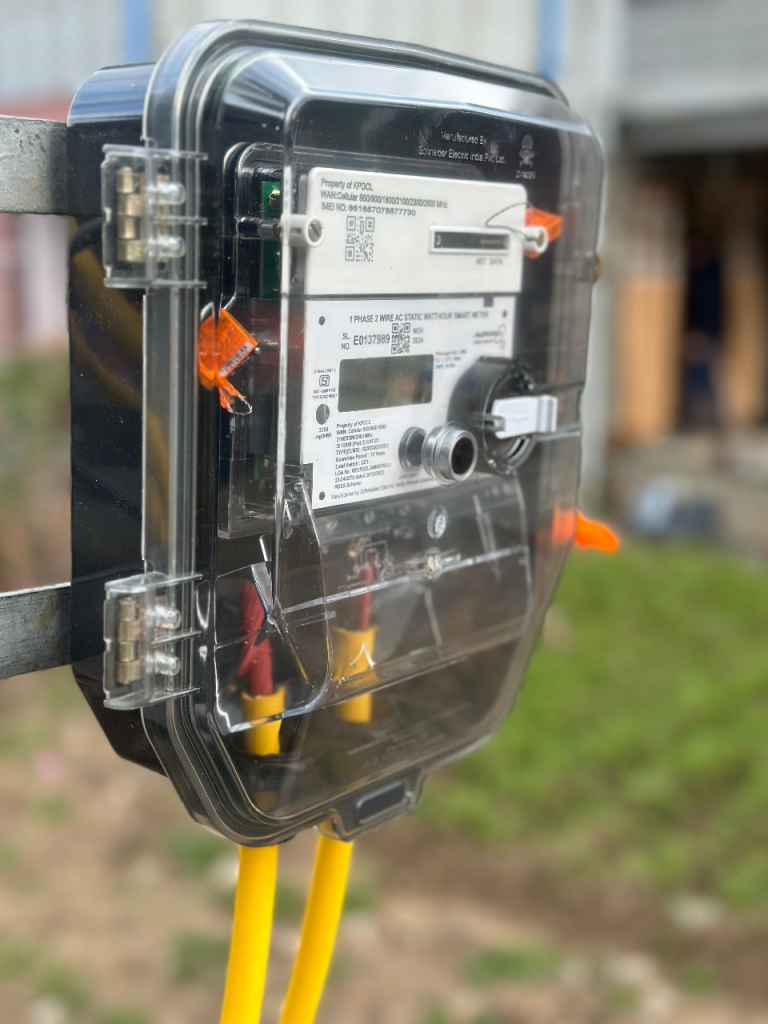
Smart Meter
Smart Meter

स्मार्ट मीटर कैसे काम करते हैं?

स्मार्ट मीटर दो-तरफ़ा संचार (two-way communication) का उपयोग करते हैं।

  • डेटा भेजना: यह हर 15 मिनट से लेकर हर घंटे तक के अंतराल में आपकी खपत की जानकारी स्वचालित रूप से ऊर्जा कंपनी को भेजता है।
  • डेटा प्राप्त करना: यह ऊर्जा कंपनी से जानकारी प्राप्त भी कर सकता है, जैसे कि टैरिफ दरें या मीटर को दूर से चालू या बंद करने के निर्देश।

इस प्रक्रिया से न सिर्फ़ रीडिंग लेने का काम आसान होता है, बल्कि ऊर्जा कंपनी को आपके इस्तेमाल के पैटर्न को समझने में भी मदद मिलती है, जिससे वे अपनी सेवा को बेहतर बना सकते हैं।

स्मार्ट मीटर के मुख्य घटक और तकनीक

स्मार्ट मीटर सिर्फ़ एक नया मीटर नहीं है, बल्कि यह ऊर्जा प्रबंधन (energy management) के तरीक़े को बदल रहा है। आइए, इसे और गहराई से समझते हैं।

 एक स्मार्ट मीटर कई हिस्सों से मिलकर बनता है:

  1. मीटरिंग यूनिट (Metering Unit): यह पारंपरिक मीटर की तरह ही बिजली, गैस या पानी की खपत को रिकॉर्ड करता है। यह इलेक्ट्रॉनिक सेंसर का उपयोग करता है जो ज़्यादा सटीक होता है।
  2. संचार मॉड्यूल (Communication Module): यह स्मार्ट मीटर का सबसे महत्वपूर्ण हिस्सा है। यह खपत के डेटा को ऊर्जा कंपनी के सर्वर तक भेजता है। इसके लिए कई तरह की वायरलेस तकनीकों का इस्तेमाल होता है, जैसे:
    • सेल्युलर नेटवर्क: मोबाइल फ़ोन की तरह ही 3G, 4G या 5G नेटवर्क का इस्तेमाल होता है। यह लंबी दूरी तक डेटा भेजने के लिए सबसे अच्छा है।
    • रेडियो फ़्रीक्वेंसी (RF): यह छोटे नेटवर्क (जैसे पड़ोसी घरों के बीच) बनाने के लिए इस्तेमाल होता है, जिसे मेश नेटवर्क (Mesh Network) कहते हैं।
    • पावरलाइन कम्युनिकेशन (PLC): यह बिजली की तारों का ही इस्तेमाल करके डेटा भेजता है, जो कि दूरदराज के इलाक़ों में बहुत उपयोगी है।
  3. इन-होम डिस्प्ले (In-Home Display – IHD): यह एक छोटी स्क्रीन होती है जो घर के अंदर रखी जाती है। यह आपको वास्तविक समय में आपकी खपत और लागत दिखाती है। इससे आप तुरंत देख सकते हैं कि कौन सा उपकरण ज़्यादा बिजली खा रहा है।

स्मार्ट मीटर के मुख्य पार्ट्स (हिस्से)

स्मार्ट मीटर एक जटिल डिवाइस है जो कई अलग-अलग इलेक्ट्रॉनिक और मैकेनिकल पार्ट्स से मिलकर बनता है। यहाँ इसके मुख्य हिस्सों के बारे में जानकारी दी गई है:

  1. मीटरिंग यूनिट (Metering Unit)

       यह स्मार्ट मीटर का सबसे महत्वपूर्ण हिस्सा है। इसका काम आपकी बिजली, गैस या पानी की खपत को बहुत सटीकता से मापना है।

  • सेंसर: यह यूनिट ऊर्जा की खपत को मापने के लिए सेंसर का इस्तेमाल करती है, जो पारंपरिक मैकेनिकल मीटरों की तुलना में ज़्यादा सटीक होते हैं।
  • प्रोसेसर: सेंसर से मिले डेटा को प्रोसेस करने के लिए एक छोटा प्रोसेसर (microcontroller) होता है, जो खपत की गणना करता है।
  1. संचार मॉड्यूल (Communication Module)

      यह हिस्सा मीटर से डेटा लेकर ऊर्जा कंपनी तक भेजता है। यही वह हिस्सा है जो स्मार्ट मीटर को ‘स्मार्ट’ बनाता है।

  • वायरलेस चिप्स: ये चिप्स सेल्युलर (जैसे 4G, 5G), रेडियो फ़्रीक्वेंसी (RF) या अन्य वायरलेस तकनीकों का उपयोग करके डेटा भेजती हैं।
  • एंटीना: डेटा भेजने और प्राप्त करने के लिए इसमें एक छोटा एंटीना लगा होता है।
  1. बिजली आपूर्ति यूनिट (Power Supply Unit)

       स्मार्ट मीटर को लगातार काम करने के लिए बिजली की ज़रूरत होती है।

  • ट्रांसफार्मर और सर्किट: यह यूनिट मीटर को बिजली प्रदान करती है। गैस और पानी के स्मार्ट मीटर में बैटरी भी हो सकती है।
  1. इन-होम डिस्प्ले (In-Home Display – IHD)

       यह वह डिवाइस है जो आपके घर के अंदर होता है और आपको अपनी ऊर्जा खपत की जानकारी देता है।

  • डिस्प्ले स्क्रीन: इसमें एक छोटी LCD या LED स्क्रीन होती है जिस पर खपत, लागत और अन्य जानकारी दिखाई देती है।
  • वायरलेस रिसीवर: यह स्मार्ट मीटर से डेटा प्राप्त करने के लिए वायरलेस तकनीक का उपयोग करता है।
  1. सुरक्षा और केसिंग (Security and Casing)

          स्मार्ट मीटर को बाहरी नुक़सान से बचाने के लिए एक मज़बूत केसिंग होती है।

  • टेम्पर-प्रूफ केसिंग: यह सुनिश्चित करता है कि कोई मीटर के साथ छेड़छाड़ न कर सके।
  • सुरक्षा चिप्स: यह डेटा को सुरक्षित रखने के लिए एन्क्रिप्शन (encryption) और अन्य सुरक्षा प्रोटोकॉल का उपयोग करती है, ताकि कोई आपके डेटा को चुरा न सके।

ये सभी पार्ट्स मिलकर एक स्मार्ट मीटर बनाते हैं जो न सिर्फ़ आपकी खपत को मापता है, बल्कि उसे मैनेज करने में भी आपकी मदद करता है।

पारंपरिक मीटर बनाम स्मार्ट मीटर

विशेषता पारंपरिक मीटर स्मार्ट मीटर
रीडिंग मैन्युअल रीडिंग, महीने में एक बार स्वचालित और बार-बार रीडिंग (घंटे के हिसाब से)
सटीकता कम सटीक, अनुमानित बिलिंग का जोखिम बहुत ज़्यादा सटीक, वास्तविक खपत पर आधारित
बिलिंग मासिक बिल, अक्सर अनुमानित विस्तृत बिल, वास्तविक खपत के आधार पर
डेटा उपलब्धता कोई डेटा नहीं, सिवाय बिल के वास्तविक समय का डेटा (IHD पर)
सेवा बिजली जाने पर कॉल करना पड़ता है कंपनी को अपने-आप पता चल जाता है
कनेक्शन मैन्युअल रूप से चालू/बंद दूर से चालू/बंद किया जा सकता है


स्मार्ट मीटर से जुड़ी चुनौतियां और फ़ायदे

स्मार्ट मीटर के कई फ़ायदे हैं, लेकिन कुछ चुनौतियां भी हैं:

  • डेटा सुरक्षा: चूँकि स्मार्ट मीटर संवेदनशील डेटा भेजते हैं, इसलिए डेटा की सुरक्षा सबसे बड़ी चिंता होती है। कंपनियों को यह सुनिश्चित करना होगा कि डेटा हैक न हो।
  • गोपनीयता: कुछ लोग मानते हैं कि यह उनकी ऊर्जा खपत पर नज़र रखता है, जिससे उनकी निजता का हनन होता है।
  • लागत: स्मार्ट मीटर को लगाने का शुरुआती ख़र्चा ज़्यादा होता है, हालांकि लंबे समय में यह फ़ायदेमंद साबित होता है।

लेकिन इन चुनौतियों के मुक़ाबले इसके फ़ायदे ज़्यादा हैं। यह ऊर्जा ग्रिड (power grid) को ज़्यादा कुशल बनाता है। कंपनी बिजली की मांग और आपूर्ति को बेहतर तरीक़े से मैनेज कर सकती है, जिससे बिजली की बर्बादी कम होती है।

  • सटीक बिलिंग: स्मार्ट मीटर से बिलिंग में ज़्यादा सटीकता आती है, क्योंकि यह वास्तविक खपत पर आधारित होता है। इससे अनुमानित बिलिंग (estimated billing) की समस्या ख़त्म हो जाती है।
  • खपत पर नियंत्रण: आप अपनी ऊर्जा खपत को वास्तविक समय में ट्रैक कर सकते हैं। इससे आप अपनी आदतों को बदल सकते हैं और बिजली बचा सकते हैं।
  • बेहतर सेवा: अगर बिजली चली जाती है तो स्मार्ट मीटर से ऊर्जा कंपनी को अपने-आप पता चल जाता है, जिससे मरम्मत का काम जल्दी शुरू हो सकता है।
  • समय-आधारित टैरिफ (Time-of-Use Tariffs): कुछ स्मार्ट मीटर समय-आधारित टैरिफ का समर्थन करते हैं, जहाँ दिन के अलग-अलग समय पर बिजली की दरें अलग होती हैं। इससे आप कम दर वाले समय में ज़्यादा ऊर्जा का उपयोग करके बिल बचा सकते हैं।


अगर आप अपने घर में स्मार्ट मीटर लगवाने पर विचार कर रहे हैं, तो अपने ऊर्जा प्रदाता से बात करके इसके फ़ायदों और लागत के बारे में पूरी जानकारी ले सकते हैं।

स्मार्ट मीटर ऊर्जा के भविष्य का एक महत्वपूर्ण हिस्सा हैं। वे उपभोक्ताओं को सशक्त बनाते हैं और ऊर्जा के उपयोग को ज़्यादा पारदर्शी और कुशल बनाते हैं।


by www.resultplot.com

General Knowledge Test

Result Plot 

Current Affairs General Knowledge Test

www.resultplot.com

General Knowledge Test

 Question Paper Set – 1


   Question – 20                                                 Mark-  100                             Time – 20 Minutes

Question (1) –  What are the other names of India? 

  1. Aryavart
  2. Bharat
  3. Hindusthan
  4. America                          

Question (2) –  After which king was the name Bharat named?

  1. Dashrath
  2. Satyavrat
  3. Bharat Muni
  4. Bharat

Question (3) – Himalaya is situated in which country?

  1. India
  2. Brazil
  3. Russia
  4. Australia

Question (4)- Which is the highest peak of India?

  1. Naina Peak
  2. Kangchenjunga
  3. Everest
  4.  Kilimanjaro

Question (5) – How many spokes are in Ashok chakra? 

  1. 21
  2. 23
  3. 24
  4. 22

Question (6) – What is the other name of Indian flag?

  1. Tiranga
  2. Shwet Dhwaj
  3. Star Flag
  4. Proud Flag

Question (7) – India got independence from Britain on which date?

  1. 26 January
  2. 25 August
  3. 2 October
  4. 15 August

Question (8)- What is the area of India?

  1. 85 Lakh sq KM
  2. 32.87 Lakh sq KM
  3. 47.99 Lakh  sq KM
  4. 216 Lakh sq KM

Question (9) – How many states are there in India in 2022?

  1. 28 states and 8 Union territories
  2. 18 states and 18 Union territories
  3. 38 states and 2 Union territories
  4. 28 states and 9 Union territories

Question (10) – Which is the biggest state in India in 2022?

  1. Madhya Pradesh
  2. Uttar Pradesh
  3. Gujrat
  4. Rajasthan

Question (11) – Which is the smallest state in India in 2022?

  1. Sikkim
  2. Goa
  3. Chhattisgarh 
  4. Punjab

Question (12) – Which state of India is literate among all states of India?

  1. Delhi
  2. Tamilnadu
  3. Andhra Pradesh
  4. Kerala

Question (13) – Which state of India is called rice bowl of India?

  1. Andhra Pradesh
  2. Chhattisgarh
  3. Telangana
  4. Tamilnadu

Question (14) – What is the capital of India?

  1. New Delhi
  2. Lucknow
  3. Connaught Place
  4. Parliament

Question (15) – How many districts are in India?

  1. 767
  2. 768
  3. 766
  4. 769

Question (16)- Which is the largest district in India?

  1. Leh
  2. Kachchh
  3. Mumbai
  4. Jodhpur

Question (17) – Which is the largest city in India?

  1. Gurugram
  2. Delhi
  3. Bengaluru
  4. Jaipur

Question (18) – What is the national game of India?

  1. Cricket
  2. Hockey
  3. Badminton
  4. Kabaddi  

Question (19) – How many gold medals won by hockey for India in Olympics?

  1. 6
  2. 7
  3. 8
  4. 9

Question (20) –  Who is the hockey captain in Olympics 1928 for India?

  1. Jaipal Singh Munda
  2. Dhyan Chand
  3. Dhanraj Pillay
  4. Sardara Singh


Current Affairs Quiz December-2022

Result Plot 

Current Affairs Quiz December-2022

www.resultplot.com
  1. ट्विटर के new owner 2022 में कौन बने ?

          Who became the new owner of twitter?

         Answer –  Elon Musk  ( October 27, 2022)

      2. स्वतंत्र भारत का पहला मतदाता कौन है?

           Who is the first voter of independent India?

        Answer – Shyam Saran Negi  ( He died on 05 November 2022)

       3. कौन सा देश फुटबॉल विश्व कप 2022 का मेजबान है और किस देश ने विश्व कप जीता?

         Which country is host of football world cup 2022 and which country won the world cup?

         Answer– Qatar is host and Argentina won the world cup on 18 December 2022.

       4. फुटबॉल विश्व कप 2022 में गोल्डन बूट पुरस्कार जीतने वाले खिलाड़ी का नाम लिखें?

          Write the name player who won golden boot award in football world cup 2022?

        Answer – Kylian Mbappe (18 December 2022)

       5. क्रिकेट टी20 वर्ल्ड कप 2022 किसने जीता?

         Who won the cricket t20 world cup 2022?

         Answer – England won the world cup and Pakistan was runner up.

        6. राष्ट्रीय कैडेट कोर (NCC) ने अपना 74वां स्थापना दिवस कब मनाया?

           When National Cadet Corps (NCC) did celebrate its 74th Raising Day?

          Answer – 27th November,2022

        7 A. राष्ट्रीय प्रेस दिवस ……….. को मनाया जाता है।

            National Press day is celebrated on ……….

        Answer – 16th November,2022

       7B. भारत 26 जनवरी को गणतंत्र दिवस मनाता है। 26 जनवरी 2023 में मुख्य अतिथि कौन है?

         INDIA celebrates republic day on 26th January. Who is the chief guest in 26th January 2023?

         Answer –  Egyptian President Abdel Fattah el-Sisi

       8. विश्व मत्स्य दिवस कब मनाया जाता है?

        When is World Fisheries Day celebrated?

         Answer – 21st November

         9. Surya Kiran exercise का आयोजन कब होगा ? इसमें शामिल होने वाले देशों के नाम बताइए |

         When will Surya Kiran exercise organize? Name the countries who will join this.

          Answer –  Surya Kiran Exercise is a joint military exercise and is being held between 16th Dec. to 29th Dec. 2022. INDIA and Nepal will participate.

          10. किस खिलाड़ी ने वनडे 2022 में सबसे तेज दोहरा शतक बनाया?

           Which player made fastest double century in Odi 2022?

           Answer – Ishan Kishan (14 dec.2022 against Bangladesh, Zahur Ahmed Chowdhury Stadium in Chattogram

           11. एशिया कप 2022 किसने जीता?

         Who won Asia cup 2022?

         Answer – Sri Lanka (on 11 Sep. 2022 against Pakistan)

         12. एशिया कप 2022 में मैन ऑफ द सीरीज का पुरस्कार फाइनल में किसने जीता?

          Who won the man of the series award in asia cup 2022 final?

           Answer – Wanindu Hasaranga de Silva (66 runs and 9 wickets)

           13. एशिया कप 2022 के फाइनल में मैन ऑफ द मैच का पुरस्कार किसने जीता?

            Who won the man of the match award in asia cup 2022 final?

            Answer –  Bhanuka Rajapaksa (71 runs – 45 balls)

          14. अर्जुन तेंदुलकर ने किसके खिलाफ लगाया पहला शतक?

          Against whom did Arjun Tendulkar score his first century?

          Answer – Rajasthan

          15. हम उत्तर प्रदेश दिवस कब मनाते हैं?

            when we celebrate uttar pradesh day?

            Answer –  January 24

          16. प्रोजेक्ट 75 INS वागीर की पांचवीं स्कॉर्पीन पनडुब्बी भारतीय नौसेना को कब सौंपी गई?

          When Fifth Scorpene submarine of Project 75 INS Vagir delivered to indian navy?

           Answer – December 20, 2022

          17. सशस्त्र सीमा बल ने 59वां स्थापना दिवस कब मनाया?

          When did Sashastra Seema Bal celebrate its 59th Raising Day?

          Answer – December 20, 2022

          18. किसके खिलाफ विराट कोहली ने बनाया पहला टी20 शतक?

             Against whom Virat kohli made 1st t20 century?

             Answer – Afganistan, 08 September, 2022, Dubai cricket ground

             19. मिताली राज ने कब संन्यास लिया?

               When did Mithali Raj retire?

              Answer – June 8, 2022