Computer & Processor : AN Introduction

https://www.resultplot.com/

www.resultplot.com

A computer is a machine or an electronic device that takes input (instructions/data) from you, processes that input, and then gives you output (results). It is composed of several parts:

  • Input Devices: Such as the keyboard, mouse, through which you provide data.
  • Processing Unit: This is your processor (CPU), which does the real work.
  • Storage Devices: Such as RAM and hard drive, where data is stored.
  • Output Devices: Such as the monitor, speakers, printer, through which you receive the results.

The Processor (CPU):

The Processor (also called CPU or Central Processing Unit) is a small chip that is called the Brain of the computer. Its main function is to understand, calculate, and complete every instruction given to the computer. When you click a mouse, play a game, or type something, the processor handles all that work.

Main Functions of the Processor:

  1. Fetch: Takes the instruction from memory.
  2. Decode: Understands what task needs to be performed.
  3. Execute: Completes the task by performing arithmetic, logical, and control calculations.
  4. Writeback: Sends the result back to memory.

The “First Computer”

Which was the “first computer” depends on which definition of a computer you use—whether it was mechanical, programmable, or electronic.

  1. The Father of Mechanical Computers: Charles Babbage

Charles Babbage is widely regarded as the “Father of the Computer.”

  • Difference Engine:
    • Time and Contribution: 1820s. It was an automatic, mechanical calculator designed to create accurate mathematical tables. It was steam-powered and built to reduce errors.
  • Analytical Engine: 1830s, and it was his most important invention. It was the first design that contained all the fundamental parts of today’s computers:
    • Mill: Which performed calculations like today’s CPU (Central Processing Unit).
    • Store: Which held data like Memory.
    • Input/Output: Via Punch Cards.
    • It is considered the first General-Purpose computer design, although Babbage could not fully build it in his lifetime.

Ada Lovelace: She wrote notes for Babbage’s Analytical Engine and created an Algorithm. For this reason, she is recognized as the First Computer Programmer in the world.

  1. The First Electronic Digital Computer: ENIAC (Electronic Numerical Integrator and Computer)

The modern computing era began with electronic computers, and the ENIAC is the most significant in this category. Its construction began in 1943 and was completed in 1945 (publicly announced in 1946). It was the first fully electronic, programmable digital computer. It used Vacuum Tubes for calculation (approximately 18,000). It was 50 feet long, weighed 30 tons, and occupied the space of a large room. It was used by the US Army to calculate artillery firing tables.

The Concept of Program Storage: EDVAC (Electronic Discrete Variable Automatic Computer): After the ENIAC, Mauchly and Eckert worked on the EDVAC with John von Neumann.

  • Contribution: EDVAC introduced the concept of the “Stored-Program Architecture,” meaning the computer could store both the program and the data in the same memory. This principle is still the foundation of every modern computer (your laptop or phone) today.
  • If you talk about the ‘Father’: it is Charles Babbage.
  • If you talk about the ‘First Programmable Electronic Computer’: it was ENIAC.

See this Post in Hindi : कंप्यूटर और प्रोसेसर: एक परिचय

Generations of Computers:

The development of the computer so far has been mainly divided into Five Generations. Each generation represents a major technological leap that completely changed the size, speed, and capability of the computer.

  1. First Generation (1940s – 1950s)
  • Main Technology: Vacuum Tubes
  • Characteristics:
    • These computers were very large (occupying an entire room).
    • They were very slow and generated a lot of Heat.
    • Their use was mainly for scientific and engineering calculations.
  • Examples: ENIAC, EDVAC, UNIVAC.
  1. Second Generation (1950s – 1960s)
  • Main Technology: Transistors
  • Characteristics:
    • Transistors were smaller, faster, cheaper, and generated less heat compared to vacuum tubes.
    • Computer size decreased and processing speed increased.
    • The use of Assembly Language and early High-Level Languages like FORTRAN and COBOL began.
  • Examples: IBM 7000 series, CDC 1604.
  1. Third Generation (1960s – 1970s)
  • Main Technology: Integrated Circuits (ICs) or Chips
  • Characteristics:
    • Many transistors, resistors, and capacitors were packed onto a tiny silicon chip (an IC). This made the speed very fast and reduced the cost.
    • Computer size became even smaller (e.g., desktop or mini-computers).
    • The use of Operating Systems began, allowing multiple programs to run at the same time.
  • Examples: IBM 360 series, DEC PDP-8.
  1. Fourth Generation (1970s – 2010s)
  • Main Technology: Very Large Scale Integration (VLSI) or Microprocessor
  • Characteristics:
    • Thousands of ICs were fitted onto a single chip, leading to the development of the Microprocessor Chip. This put the computer’s entire Central Processing Unit (CPU) onto one chip.
    • This led to the Personal Computer (PC) Revolution.
    • The development of the Internet, Graphical User Interface (GUI), and computer networking occurred.
  • Examples: IBM PC, Apple Macintosh, computers with Intel Pentium chips.
  1. Fifth Generation (2010s – Present)
  • Main Technology: Artificial Intelligence (AI), Parallel Processing, and ULSI (Ultra Large Scale Integration)
  • Characteristics:
    • The main goal of this generation is to develop computing systems that can react like the human brain, such as: Artificial Intelligence (AI), Machine Learning (ML), and Deep Learning.
    • Use of parallel processing and superconductor technology to increase computer performance.
    • Research in Voice Recognition, natural language understanding, and Quantum Computing.
  • Examples: Robotics, Neural Networks, Smartphones, and today’s AI-powered systems.

Thus, the computer has gone through five major technological transformations, from vacuum tubes to today’s powerful AI-based systems.

Generations of CPU (Central Processing Unit):

Like computers, the development of the CPU (Central Processing Unit) is also divided into generations, but this division is based on the major changes in the Architecture and design by CPU manufacturing companies like Intel or AMD. Broadly speaking, the CPU’s development is counted from the advent of the first microprocessor in the 1970s, which became the foundation of the fourth generation of computers.

Here is a division of CPU generations based on key technological changes:

Major Generations of Microprocessor CPUs

CPU generations are usually counted based on the following technology:

  1. First Microprocessor Generation (1970s): 4-bit and 8-bit CPU
  • Main Change: Bringing the entire CPU onto a single chip (Microprocessor).
  • Characteristics: 4-bit to 8-bit data processing. Very few transistors.
  • Examples: Intel 4004 (the first commercial microprocessor in 1971), Intel 8080.
  1. Second Generation (1970s – 1980s): 16-bit CPU
  • Main Change: 16-bit processing, which increased data handling capacity.
  • Characteristics: Instrumental in the development of the Personal Computer (PC).
  • Examples: Intel 8086, Motorola 68000.
  1. Third Generation (1980s – 1990s): 32-bit CPU (The x86 Era Begins)
  • Main Change: 32-bit Architecture (IA-32), which made modern Operating Systems (like Windows and Mac OS) possible.
  • Characteristics: Introduction of Cache Memory, better speed.
  • Examples: Intel 80386, Intel 80486, and early Pentium processors.
  1. Fourth Generation (1990s – 2000s): Pipelining and High-Speed Clock
  • Main Change: Complex instruction Pipelining and high Clock Speed (measured in GHz).
  • Characteristics: Better capacity to handle multimedia and 3D graphics.
  • Examples: Intel Pentium II / III / 4 (NetBurst Architecture).
  1. Fifth Generation (2000s – 2010s): Multi-Core Revolution
  • Main Change: Instead of increasing clock speed, adding more than one processing core (Dual-Core, Quad-Core) onto the same chip.
  • Characteristics: 64-bit Architecture (x86-64) became the standard. Focus on reducing power consumption.
  • Examples: Intel Core 2 Duo, early Intel Core i-series (i3, i5, i7), AMD Athlon 64.
  1. Sixth Generation (2010s – Present): Integrated Graphics and Optimization
  • Main Change: Integrating the CPU and Graphics Processing Unit (GPU) onto a single chip (APU).
  • Characteristics: Better performance per watt, efficient designs for laptops. Continuous architectural improvements in the Intel Core i-Series (e.g., Skylake, Kaby Lake, etc.) and the rise of AMD Ryzen.
  • Examples: All current Intel Core i9/i7/i5/i3 and AMD Ryzen processors.

There is no fixed international rule for counting the generations of CPUs. It depends on technological innovation. However, from the first microprocessor (1970s) to today’s multi-core, 64-bit, AI-centric chips, the CPU has gone through approximately six major generations of technological change.

We will learn about the different types of processors in the next post.
by Result Plot

कंप्यूटर और प्रोसेसर: एक परिचय

https://www.resultplot.com/

www.resultplot.com

कंप्यूटर एक मशीन या इलेक्ट्रॉनिक उपकरण है जो आपसे इनपुट (निर्देश/डेटा) लेता है, उस इनपुट को प्रोसेस करता है, और फिर आपको आउटपुट (परिणाम) देता है। यह कई हिस्सों से मिलकर बनता है:

  • इनपुट डिवाइस (Input Devices): जैसे कीबोर्ड, माउस, जिनसे आप डेटा देते हैं।
  • प्रोसेसिंग यूनिट (Processing Unit): यही आपका प्रोसेसर (CPU) है, जो असली काम करता है।
  • स्टोरेज डिवाइस (Storage Devices): जैसे RAM और हार्ड ड्राइव, जहाँ डेटा स्टोर होता है।
  • आउटपुट डिवाइस (Output Devices): जैसे मॉनिटर, स्पीकर, प्रिंटर, जिनसे आपको परिणाम मिलता है।

प्रोसेसर जिसे CPU या Central Processing Unit भी कहते हैं) एक छोटी सी चिप होती है जो कंप्यूटर का दिमाग (Brain) कहलाती है।इसका मुख्य काम कंप्यूटर को दिए गए हर निर्देश को समझना, गणना करना और उसे पूरा करना है। जब आप माउस क्लिक करते हैं, कोई गेम खेलते हैं, या कोई टाइप करते हैं, तो यह सारा काम प्रोसेसर ही करता है।

प्रोसेसर के मुख्य कार्य:

  • निर्देशों को लेना (Fetch): मेमोरी से निर्देश लेता है।
  • समझना (Decode): यह समझता है कि कौन सा काम करना है।
  • कार्य करना (Execute): यह अंकगणितीय, तार्किक या नियंत्रण (arithmetic, logical, and control) संबंधी गणनाएँ करके उस काम को पूरा करता है।
  • परिणाम देना (Writeback): परिणाम को वापस मेमोरी में भेजता है।

इस पोस्ट को अंग्रेजी में देखें : Computer & Processor : AN Introduction

सबसे पहला कंप्यूटर” कौन सा था, यह इस बात पर निर्भर करता है कि आप कंप्यूटर की किस परिभाषा का उपयोग कर रहे हैं—क्या यह यांत्रिक , प्रोग्रामेबल , या इलेक्ट्रॉनिक था।

  1. यांत्रिक (Mechanical) कंप्यूटर के जनक : चार्ल्स बैबेज इन्हें व्यापक रूप से “आधुनिक कंप्यूटर का जनक” (Father of the Computer) माना जाता है।
  • डिफरेंस इंजन (Difference Engine):
    • समय और योगदान : 1820 का दशक।यह एक स्वचालित, यांत्रिक कैलकुलेटर था जिसे सटीक गणितीय सारणी (mathematical tables) बनाने के लिए डिज़ाइन किया गया था। यह भाप से चलने वाला था और त्रुटियों को कम करने के लिए बनाया गया था।
    • एनालिटिकल इंजन (Analytical Engine): 1830 का दशक और यह उनका सबसे महत्वपूर्ण आविष्कार था। यह पहला ऐसा डिज़ाइन था जिसमें आज के कंप्यूटर के सभी मूलभूत हिस्से थे:
  • मिल (Mill): जो आज के CPU (सेंट्रल प्रोसेसिंग यूनिट) की तरह गणना करता था और जो मेमोरी की तरह डेटा रखता था।
  • इनपुट/आउटपुट: पंच कार्ड्स (Punch Cards) के माध्यम से।
    • इसे पहला जनरल-पर्पस (सामान्य उद्देश्य वाला) कंप्यूटर डिज़ाइन माना जाता है, हालांकि इसे बैबेज अपने जीवनकाल में पूरी तरह से बना नहीं पाए थे।

एडा लवलेस (Ada Lovelace) इन्होंने बैबेज के एनालिटिकल इंजन के लिए नोट्स लिखे थे और एक एल्गोरिथम (Algorithm) बनाया था। इसी कारण उन्हें दुनिया की पहली कंप्यूटर प्रोग्रामर (First Computer Programmer) के रूप में पहचान मिली।


  1. पहला इलेक्ट्रॉनिक डिजिटल कंप्यूटर :ENIAC (Electronic Numerical Integrator and Computer)

आधुनिक कंप्यूटिंग युग की शुरुआत इलेक्ट्रॉनिक कंप्यूटरों से हुई, और इस श्रेणी में ENIAC सबसे महत्वपूर्ण है। इसका निर्माण 1943 में शुरू हुआ और 1945 में बनकर तैयार हुआ (1946 में सार्वजनिक रूप से घोषित)।यह पहला पूरी तरह से इलेक्ट्रॉनिक, प्रोग्रामेबल डिजिटल कंप्यूटर था।इसने गणना के लिए वैक्यूम ट्यूब्स (Vacuum Tubes) का इस्तेमाल किया (लगभग 18,000)।यह 50 फीट लंबा, 30 टन वजनी था और एक बड़े कमरे जितना स्थान घेरता था।इसका उपयोग अमेरिकी सेना के लिए आर्टिलरी फायरिंग टेबल की गणना करने के लिए किया गया था।

प्रोग्राम स्टोरेज की अवधारणा : EDVAC (Electronic Discrete Variable Automatic Computer): ENIAC के बाद, मौचली और एकर्ट ने जॉन वॉन न्यूमैन  के साथ मिलकर EDVAC पर काम किया।योगदान: EDVAC ने “स्टोर्ड-प्रोग्राम आर्किटेक्चर” (Stored-Program Architecture) की अवधारणा पेश की, जिसका अर्थ है कि कंप्यूटर प्रोग्राम और डेटा दोनों को एक ही मेमोरी में स्टोर कर सकता है। यह सिद्धांत आज भी हर आधुनिक कंप्यूटर (आपके लैपटॉप या फ़ोन) की नींव है।

  • अगर आप ‘जनक’ की बात करें: तो वह चार्ल्स बैबेज हैं।
  • अगर आप ‘पहला प्रोग्रामेबल इलेक्ट्रॉनिक कंप्यूटर’ की बात करें: तो वह ENIAC था।

कंप्यूटर की  पीढ़ियाँ ( Generations of Computers)

अब तक कंप्यूटर के विकास को मुख्य रूप से पाँच पीढ़ियों (Five Generations) में विभाजित किया गया है। प्रत्येक पीढ़ी एक बड़ी तकनीकी छलांग को दर्शाती है जिसने कंप्यूटर के आकार, गति और क्षमता को पूरी तरह से बदल दिया।

  1. पहली पीढ़ी (First Generation: 1940s – 1950s)
  • मुख्य तकनीक: वैक्यूम ट्यूब्स (Vacuum Tubes)
  • विशेषताएँ: विशेषताएँ कुछ इस प्रकार हैं
    • ये कंप्यूटर बहुत बड़े होते थे (पूरा कमरा घेर लेते थे)।
    • इनकी गति बहुत धीमी थी और ये बहुत ज़्यादा गर्मी (Heat) पैदा करते थे।
    • इनका उपयोग मुख्य रूप से वैज्ञानिक और इंजीनियरिंग गणनाओं के लिए होता था।
  • उदाहरण: ENIAC, EDVAC, UNIVAC।
  1. दूसरी पीढ़ी (Second Generation: 1950s – 1960s)
  • मुख्य तकनीक: ट्रांजिस्टर (Transistors)
  • विशेषताएँ: विशेषताएँ कुछ इस प्रकार हैं
    • ट्रांजिस्टर वैक्यूम ट्यूब्स की तुलना में छोटे, तेज़, सस्ते और कम गर्मी पैदा करने वाले थे।
    • कंप्यूटर का आकार छोटा हुआ और प्रोसेसिंग गति बढ़ी।
    • असेंबली भाषा (Assembly Language) और शुरुआती उच्च-स्तरीय प्रोग्रामिंग भाषाएँ (High-Level Languages) जैसे FORTRAN और COBOL का उपयोग शुरू हुआ।
  • उदाहरण: IBM 7000 सीरीज, CDC 1604।
  1. तीसरी पीढ़ी (Third Generation: 1960s – 1970s)
  • मुख्य तकनीक: एकीकृत सर्किट (Integrated Circuits – ICs) या चिप्स
  • विशेषताएँ: विशेषताएँ कुछ इस प्रकार हैं
    • एक IC में कई ट्रांजिस्टर, रेसिस्टर और कैपेसिटर को एक छोटे से सिलिकॉन चिप पर पैक किया गया। इससे गति बहुत तेज़ हुई और लागत कम हुई।
    • कंप्यूटर का आकार और छोटा हो गया (जैसे डेस्कटॉप या मिनी-कंप्यूटर)।
    • ऑपरेटिंग सिस्टम (Operating System) का उपयोग शुरू हुआ, जिससे एक ही समय में कई प्रोग्राम चलाए जा सकते थे।
  • उदाहरण: IBM 360 सीरीज, DEC PDP-8।
  1. चौथी पीढ़ी (Fourth Generation: 1970s – 2010s)
  • मुख्य तकनीक: वृहद स्तरीय एकीकरण (Very Large Scale Integration – VLSI) या माइक्रोप्रोसेसर (Microprocessor)
  • विशेषताएँ:
    • हजारों ICs को एक ही चिप पर फिट किया गया, जिससे माइक्रोप्रोसेसर चिप (Microprocessor Chip) का विकास हुआ। यह कंप्यूटर के पूरे सेंट्रल प्रोसेसिंग यूनिट (CPU) को एक चिप पर ले आया।
    • इससे पर्सनल कंप्यूटर (PC) क्रांति आई।
    • इंटरनेट, ग्राफिकल यूजर इंटरफेस (GUI), और कंप्यूटर नेटवर्किंग का विकास हुआ।
  • उदाहरण: IBM PC, Apple Macintosh, Intel Pentium चिप्स वाले कंप्यूटर।
  1. पाँचवीं पीढ़ी (Fifth Generation: 2010s – वर्तमान)
  • मुख्य तकनीक: कृत्रिम बुद्धिमत्ता (Artificial Intelligence – AI), समांतर प्रोसेसिंग (Parallel Processing), और ULSI (Ultra Large Scale Integration)
  • विशेषताएँ: विशेषताएँ कुछ इस प्रकार हैं
    • इस पीढ़ी का मुख्य लक्ष्य ऐसी कंप्यूटिंग प्रणालियाँ विकसित करना है जो मानव मस्तिष्क की तरह प्रतिक्रिया दे सकें, जैसे: आर्टिफिशियल इंटेलिजेंस (AI), मशीन लर्निंग (ML) और डीप लर्निंग।
    • कंप्यूटर का प्रदर्शन बढ़ाने के लिए पैरेलल प्रोसेसिंग और सुपरकंडक्टर तकनीक का उपयोग।
    • वॉयस रिकग्निशन, प्राकृतिक भाषा को समझना, और क्वांटम कंप्यूटिंग पर शोध।
  • उदाहरण: रोबोटिक्स, न्यूरल नेटवर्क्स, स्मार्टफोन्स, और आज के AI-संचालित सिस्टम।

इस प्रकार, कंप्यूटर ने वैक्यूम ट्यूबों से लेकर आज के शक्तिशाली AI-आधारित सिस्टम तक, पाँच प्रमुख तकनीकी परिवर्तनों को पार किया है।


CPU (सेंट्रल प्रोसेसिंग यूनिट) की  पीढ़ियाँ ( Generations of CPU)

कंप्यूटर की तरह, CPU (सेंट्रल प्रोसेसिंग यूनिट) के विकास को भी पीढ़ियों (Generations) में बाँटा जाता है, लेकिन यह विभाजन CPU बनाने वाली कंपनियों, जैसे Intel या AMD, के आर्किटेक्चर (Architecture) और डिज़ाइन में आए बड़े बदलावों पर आधारित होता है।व्यापक रूप से देखा जाए, तो CPU के विकास को मुख्य रूप से 1970 के दशक में पहले माइक्रोप्रोसेसर के आने के बाद से गिना जाता है, जो चौथी पीढ़ी के कंप्यूटर की नींव बना।यहाँ प्रमुख तकनीकी बदलावों के आधार पर CPU की पीढ़ियों का विभाजन दिया गया है:

माइक्रोप्रोसेसर CPU की प्रमुख पीढ़ियाँ

CPU की पीढ़ियों को आमतौर पर निम्नलिखित तकनीक के आधार पर गिना जाता है:

  1. पहली माइक्रोप्रोसेसर पीढ़ी (1970s): 4-बिट और 8-बिट CPU
  • मुख्य बदलाव: पूरे CPU को एक ही चिप (माइक्रोप्रोसेसर) पर लाना।
  • विशेषताएँ: 4-बिट से 8-बिट डेटा प्रोसेसिंग। बहुत कम ट्रांजिस्टर।
  • उदाहरण: Intel 4004 (1971 में पहला कमर्शियल माइक्रोप्रोसेसर), Intel 8080।
  1. दूसरी पीढ़ी (1970s – 1980s): 16-बिट CPU
  • मुख्य बदलाव: 16-बिट प्रोसेसिंग, जिससे डेटा हैंडलिंग क्षमता बढ़ी।
  • विशेषताएँ: पर्सनल कंप्यूटर (PC) के विकास में सहायक।
  • उदाहरण: Intel 8086, Motorola 68000।
  1. तीसरी पीढ़ी (1980s – 1990s): 32-बिट CPU (The x86 Era Begins)
  • मुख्य बदलाव: 32-बिट आर्किटेक्चर (IA-32), जिसने आधुनिक ऑपरेटिंग सिस्टम (जैसे Windows और Mac OS) को संभव बनाया।
  • विशेषताएँ: कैश मेमोरी का परिचय, बेहतर स्पीड।
  • उदाहरण: Intel 80386, Intel 80486, और शुरुआती Pentium प्रोसेसर।
  1. चौथी पीढ़ी (1990s – 2000s): पाइपलाइनिंग और हाई-स्पीड क्लॉक
  • मुख्य बदलाव: जटिल इंस्ट्रक्शन पाइपलाइनिंग और उच्च क्लॉक स्पीड (GHz में मापी गई)।
  • विशेषताएँ: मल्टीमीडिया और 3D ग्राफिक्स को संभालने की बेहतर क्षमता।
  • उदाहरण: Intel Pentium II / III / 4 (NetBurst आर्किटेक्चर)।
  1. पाँचवी पीढ़ी (2000s – 2010s): मल्टी-कोर क्रांति (Multi-Core Revolution)
  • मुख्य बदलाव: क्लॉक स्पीड बढ़ाने के बजाय, एक ही चिप पर एक से अधिक प्रोसेसिंग कोर (Dual-Core, Quad-Core) डालना।
  • विशेषताएँ: 64-बिट आर्किटेक्चर (x86-64) का मानक बनना। बिजली की खपत कम करने पर ध्यान।
  • उदाहरण: Intel Core 2 Duo, शुरुआती Intel Core i-सीरीज (i3, i5, i7), AMD Athlon 64।
  1. छठी पीढ़ी (2010s – वर्तमान): इंटीग्रेटेड ग्राफिक्स और ऑप्टिमाइजेशन
  • मुख्य बदलाव: CPU और ग्राफिक्स प्रोसेसिंग यूनिट (GPU) को एक ही चिप पर इंटीग्रेट करना (APU)।
  • विशेषताएँ: प्रति वाट (per watt) बेहतर परफॉर्मेंस, लैपटॉप के लिए कुशल डिज़ाइन। इंटेल कोर आई-सीरीज (Intel Core i-Series) में लगातार आर्किटेक्चरल सुधार (जैसे Skylake, Kaby Lake, आदि) और AMD Ryzen का उदय।
  • उदाहरण: वर्तमान के सभी Intel Core i9/i7/i5/i3 और AMD Ryzen प्रोसेसर।

CPU की पीढ़ी को गिनने का कोई निश्चित अंतर्राष्ट्रीय नियम नहीं है। यह तकनीकी इनोवेशन पर निर्भर करता है। हालाँकि, पहले माइक्रोप्रोसेसर (1970s) से लेकर आज के मल्टी-कोर, 64-बिट, AI-केंद्रित चिप्स तक, CPU लगभग छह बड़ी पीढ़ियों के तकनीकी बदलावों से गुज़र चुका है।

हम अगले पोस्ट में विभिन्न प्रकार के प्रोसेसर के बारे में जानेंगे।

by Result Plot

विटामिन B Complex और विटामिन B12


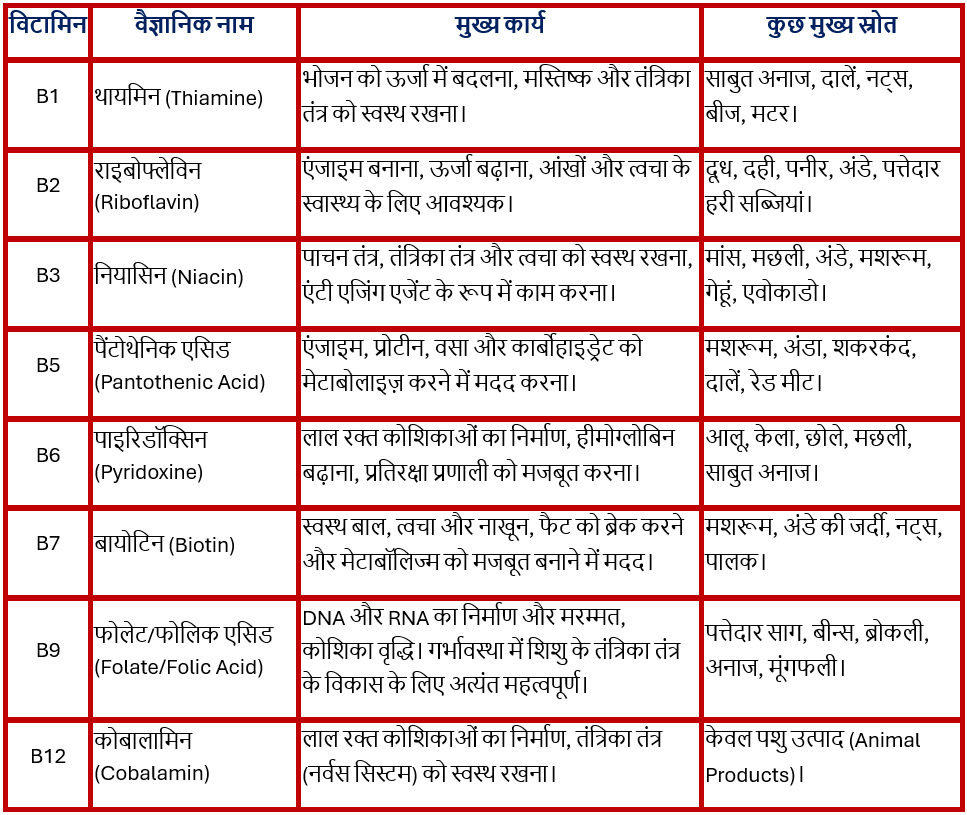
विटामिन बी (Vitamin B) वास्तव में विटामिन बी कॉम्प्लेक्स नामक पानी में घुलनशील विटामिनों के एक समूह को दर्शाता है। यह एक एकल विटामिन नहीं है, बल्कि आठ अलग-अलग विटामिनों का समूह है, जिनमें से प्रत्येक शरीर में विशिष्ट और महत्वपूर्ण भूमिका निभाता है।

विटामिन बी कॉम्प्लेक्स में शामिल मुख्य विटामिन:

विटामिन B1 (थायमिन): ऊर्जा उत्पादन और तंत्रिका तंत्र के कार्य के लिए महत्वपूर्ण।

विटामिन B2 (राइबोफ्लेविन): शरीर में एंजाइम बनाने और ऊर्जा बढ़ाने में सहायक।

विटामिन B3 (नियासिन): एंटी एजिंग एजेंट, पाचन तंत्र और तंत्रिका तंत्र को मजबूत बनाता है।

विटामिन B5 (पैंटोथेनिक एसिड): मेटाबॉलिज्म (चयापचय) में सहायक।

विटामिन B6 (पाइरिडॉक्सिन): लाल रक्त कोशिकाओं के निर्माण और प्रतिरक्षा प्रणाली के लिए महत्वपूर्ण।

विटामिन B7 (बायोटिन): बालों, त्वचा और नाखूनों के स्वास्थ्य के लिए महत्वपूर्ण, मेटाबॉलिज्म को मजबूत बनाता है।

विटामिन B9 (फोलेट या फोलिक एसिड): डीएनए के निर्माण और मरम्मत, और स्वस्थ कोशिका वृद्धि के लिए आवश्यक। यह गर्भावस्था के दौरान शिशु के विकास के लिए अत्यंत महत्वपूर्ण है।

विटामिन B12 (कोबालामिन): यह समूह का ही एक हिस्सा है।

Vitamin B


विटामिन बी12 (Vitamin B12)

विटामिन B12 (कोबालामिन) बी-कॉम्प्लेक्स परिवार का अंतिम और सबसे महत्वपूर्ण सदस्य है। यह अकेला ऐसा विटामिन है जिसमें कोबाल्ट धातु पाई जाती है, जिसके कारण इसे कोबालामिन कहते हैं।

विटामिन B12 के प्रमुख कार्य:

  1. रक्त निर्माण: यह बोन मैरो (Bone Marrow) में लाल रक्त कोशिकाओं (RBCs) के निर्माण के लिए आवश्यक है। इसकी कमी से मेगालोब्लास्टिक एनीमिया होता है।
  2. तंत्रिका तंत्र की सुरक्षा: यह तंत्रिका तंतुओं के चारों ओर सुरक्षात्मक माइलिन शीथ (Myelin Sheath) को बनाए रखने में मदद करता है। तंत्रिकाओं के स्वस्थ कार्य के लिए यह बहुत ज़रूरी है।
  3. DNA संश्लेषण: कोशिका विभाजन और शरीर की वृद्धि के लिए DNA बनाने में महत्वपूर्ण भूमिका निभाता है।
  4. हृदय स्वास्थ्य: रक्त में होमोसिस्टीन (Homocysteine) के स्तर को नियंत्रित करके हृदय रोग के जोखिम को कम करता है।

विटामिन B12 के स्रोत :

विटामिन बी12 का सबसे बड़ा अंतर इसके स्रोतों में है। यह प्राकृतिक रूप से लगभग केवल पशु-आधारित खाद्य पदार्थों में पाया जाता है।

विशेष ध्यान : जो लोग पूर्णतः शाकाहारी (Vegan) हैं या कम मात्रा में डेयरी उत्पाद लेते हैं, उनमें B12 की कमी होने का खतरा सबसे अधिक होता है, क्योंकि पौधों में यह विटामिन प्राकृतिक रूप से नहीं पाया जाता है।

विटामिन B12 की कमी के लक्षण:

कमी के लक्षण धीरे-धीरे सामने आते हैं और अक्सर नज़रअंदाज़ हो जाते हैं:

  • थकान और कमजोरी: लगातार थका हुआ महसूस करना।
  • न्यूरोलॉजिकल समस्याएं: हाथ-पैरों में सुन्नपन, झुनझुनी, या “पिन और सुई” (tingling sensation) जैसी अनुभूति होना।
  • मानसिक स्वास्थ्य: याददाश्त कमजोर होना, भ्रम (Confusion), डिप्रेशन, या मूड स्विंग।
  • एनीमिया: पीली त्वचा, साँस लेने में तकलीफ, या दिल की धड़कन का तेज होना।
  • जीभ की समस्या: जीभ का लाल या सूजा हुआ दिखना (Glossitis)।

यदि आप ‘विटामिन बी’ की गोली लेते हैं, तो वह ‘विटामिन बी कॉम्प्लेक्स’ होती है, जिसमें B12 सहित सभी आठ विटामिन शामिल होते हैं। यदि आप ‘विटामिन बी12’ की गोली लेते हैं, तो आप केवल ‘विटामिन बी12’  की खुराक ले रहे हैं। विटामिन सप्लीमेंट्स लेने से पहले, खासकर अगर आप लगातार थकान या नसों में झुनझुनी जैसे लक्षण महसूस कर रहे हैं, तो सबसे अच्छा है कि आप पहले डॉक्टर से मिलकर विटामिन B12 और B9 (फोलेट) का रक्त परीक्षण कराएँ। आपको डॉक्टर की सलाह के अनुसार विटामिन बी की खुराक लेनी चाहिए।

अच्छे स्वास्थ्य से संबंधित ब्लॉग पढ़ने के लिए हमसे (www.resultplot.com) जुड़ें।

विटामिन E के लाभ और दुष्प्रभाव

विटामिन E एक वसा में घुलनशील (Fat-Soluble) विटामिन है जो शरीर के लिए एक शक्तिशाली एंटीऑक्सीडेंट के रूप में कार्य करता है। विटामिन E के तीन मुख्य कार्य हैं जो इसे शरीर के लिए एक बेहद ज़रूरी पोषक तत्व बनाते हैं:

  1. शक्तिशाली एंटीऑक्सीडेंट

यह विटामिन E का सबसे महत्वपूर्ण काम है।

  • मुक्त कणों से सुरक्षा: विटामिन E एक शक्तिशाली एंटीऑक्सीडेंट के रूप में काम करता है। यह शरीर में बनने वाले फ्री रेडिकल्स  नामक अस्थिर और हानिकारक अणुओं को बेअसर करता है।
  • कोशिका क्षति को रोकना: फ्री रेडिकल्स कोशिकाओं को नुकसान पहुँचाते हैं, जिसे ऑक्सीडेटिव स्ट्रेस कहते हैं। विटामिन E इस स्ट्रेस से कोशिकाओं, खासकर कोशिका झिल्ली की सुरक्षा करता है। यह सुरक्षा पुरानी बीमारियों (जैसे हृदय रोग, कैंसर और अल्जाइमर) और उम्र बढ़ने की प्रक्रिया को धीमा करने में मदद करती है।
  1. रोग प्रतिरोधक क्षमता बढ़ाना

विटामिन E आपकी प्रतिरक्षा प्रणाली (Immune System) को सही ढंग से काम करने में मदद करता है।

  • यह प्रतिरक्षा कोशिकाओं  के उत्पादन और कार्य को बढ़ावा देता है, जिससे शरीर संक्रमणों, कीटाणुओं और वायरस से अधिक प्रभावी ढंग से लड़ पाता है।
  1. रक्त और हृदय का स्वास्थ्य

विटामिन E रक्त संचार और रक्त वाहिकाओं को स्वस्थ बनाए रखने में महत्वपूर्ण भूमिका निभाता है।

  • यह रक्त वाहिकाओं को चौड़ा रखने में मदद करता है और रक्त के थक्के (Blood Clots) बनने से रोकने में सहायक हो सकता है, जिससे हृदय रोग का खतरा कम होता है और सही रक्तचाप (Blood Pressure) बनाए रखने में मदद मिलती है।

विटामिन E अपनी एंटीऑक्सीडेंट प्रकृति के कारण त्वचा और बालों के लिए भी बहुत फायदेमंद है:

  • त्वचा को पोषण: यह त्वचा को नमी  प्रदान करता है, रूखेपन को कम करता है, और झुर्रियों की उपस्थिति को कम करने में मदद करता है।
  • बालों की मजबूती: यह स्कैल्प में ब्लड सर्कुलेशन को सुधारता है, जिससे बालों की जड़ों को पोषण मिलता है और बालों का झड़ना कम हो सकता है।
  • आंखों का स्वास्थ्य: यह आंखों की रोशनी और ऊतकों की सुरक्षा के लिए भी आवश्यक है।

विटामिन E का  स्रोत (Source)

विटामिन E वसा (Fat) में घुलनशील विटामिन है, इसलिए इसके मुख्य स्रोत ऐसे खाद्य पदार्थ हैं जिनमें स्वस्थ वसा (Healthy Fats) मौजूद होती है।

विटामिन E के मुख्य और सबसे अच्छे स्रोत इस प्रकार हैं:

  1. वनस्पति तेल (Vegetable Oils)

ये विटामिन E के सबसे समृद्ध स्रोतों में से एक हैं, विशेष रूप से:

  • गेहूं के बीज का तेल (Wheat Germ Oil): यह विटामिन E का सबसे बड़ा स्रोत माना जाता है।
  • सूरजमुखी का तेल (Sunflower Oil)
  • कुसुम का तेल (Safflower Oil)
  • कनोला तेल (Canola Oil)
  • सोयाबीन तेल (Soybean Oil)
  1. बीज और नट्स (Seeds and Nuts)

ये विटामिन E के पावरहाउस हैं, जिन्हें प्रतिदिन खाया जा सकता है:

  • सूरजमुखी के बीज (Sunflower Seeds): ये बहुत अच्छा स्रोत हैं।
  • बादाम (Almonds): यह सबसे लोकप्रिय और समृद्ध स्रोतों में से एक है।
  • हेज़लनट्स (Hazelnuts)
  • मूंगफली (Peanuts)
  • पाइन नट्स (Pine Nuts)
  1. हरी पत्तेदार सब्जियां (Green Leafy Vegetables)

कुछ हरी सब्जियां भी अच्छी मात्रा में विटामिन E प्रदान करती हैं:

  • पालक (Spinach)
  • ब्रोकली (Broccoli)
  • केल (Kale)
  1. फल (Fruits)
  • एवोकाडो (Avocado): यह स्वस्थ वसा और विटामिन E दोनों का अच्छा स्रोत है।
  • कीवी (Kiwi)
  • आम (Mango)
  1. अन्य स्रोत
  • साबुत अनाज (Whole Grains)
  • अंडे (Eggs)
  • फोर्टिफाइड खाद्य पदार्थ: जैसे कि कुछ ब्रेकफास्ट सीरियल्स, फलों का रस, और मार्जरीन जिनमें अलग से विटामिन E मिलाया जाता है।

नोट: चूंकि विटामिन E वसा में घुलनशील है, इसलिए शरीर इसे तब बेहतर ढंग से अवशोषित करता है जब इसे वसा युक्त खाद्य पदार्थों (जैसे कि नट्स, तेल या एवोकाडो) के साथ खाया जाता है।

 विटामिन E की अधिकता से होने वाले मुख्य नुकसान

किसी भी चीज़ की अत्यधिक मात्रा लेने से उसके नुकसान (साइड इफेक्ट्स) हो सकते हैं, और विटामिन E भी इसका अपवाद नहीं है।

जब विटामिन E का सेवन संतुलित आहार से किया जाता है, तो यह आमतौर पर सुरक्षित होता है। लेकिन जब इसे सप्लीमेंट्स (कैप्सूल/गोलियों) के रूप में बहुत अधिक खुराक में और लंबे समय तक लिया जाता है, तो इसके गंभीर नुकसान हो सकते हैं।

विटामिन E के ओवरडोज को हाइपरविटामिनोसिस ई (Hypervitaminosis E) कहा जाता है। इसके मुख्य और गंभीर जोखिम निम्नलिखित हैं:

  1. रक्तस्राव का खतरा (Increased Bleeding Risk)

यह सबसे गंभीर जोखिम है।

  • विटामिन E खून को पतला करने (Blood Thinner) का काम करता है। अत्यधिक मात्रा में यह रक्त के थक्के (Blood Clotting) बनने की प्रक्रिया को बाधित कर सकता है।
  • इससे चोट लगने या सर्जरी के दौरान अत्यधिक रक्तस्राव (Bleeding) हो सकता है।
  • यह खतरा उन लोगों में और भी बढ़ जाता है जो पहले से ही खून पतला करने वाली दवाएं (जैसे Warfarin या Aspirin) ले रहे हैं।
  1. सामान्य शारीरिक दुष्प्रभाव (General Side Effects)

अधिक खुराक लेने पर ये समस्याएं हो सकती हैं:

  • जी मिचलाना (Nausea) और उल्टी (Vomiting)
  • दस्त (Diarrhea)
  • पेट में ऐंठन या दर्द
  • सिरदर्द (Headache) और चक्कर आना (Dizziness)
  • मांसपेशियों में कमजोरी (Muscle Weakness) और थकान (Fatigue)
  1. अन्य गंभीर जोखिम
  • कुछ शोधों के अनुसार, विटामिन E का बहुत अधिक सेवन स्ट्रोक (विशेष रूप से मस्तिष्क में रक्तस्राव) और प्रोस्टेट कैंसर का खतरा बढ़ा सकता है।
  • यह शरीर में विटामिन K के स्तर को प्रभावित कर सकता है।

यदि आप विटामिन E कैप्सूल (जैसे Evion या अन्य) लेने की सोच रहे हैं, तो हमेशा निम्नलिखित बातों का ध्यान रखें:

  1. डॉक्टर से सलाह: सप्लीमेंट शुरू करने से पहले हमेशा डॉक्टर या आहार विशेषज्ञ (Dietician) से सलाह लें, खासकर यदि आपको पहले से कोई स्वास्थ्य समस्या है या आप कोई अन्य दवा ले रहे हैं।
  2. प्राकृतिक स्रोत को प्राथमिकता: अपनी विटामिन E की दैनिक ज़रूरत को पूरा करने के लिए बादाम, सूरजमुखी के बीज, पालक और वनस्पति तेल जैसे प्राकृतिक खाद्य स्रोतों पर निर्भर रहना सबसे सुरक्षित तरीका है।
  3. चेहरे पर सीधा उपयोग: कैप्सूल का तेल सीधा चेहरे या बालों पर लगाने से कुछ संवेदनशील लोगों में त्वचा पर लाल चकत्ते (Rashes), जलन या एलर्जी (Dermatitis) हो सकती है। इसे हमेशा किसी अन्य तेल (जैसे नारियल तेल) या क्रीम में मिलाकर लगाना बेहतर होता है।

विटामिन E स्वास्थ्य के लिए एक आवश्यक पोषक तत्व है, लेकिन इसे प्राकृतिक स्रोतों से प्राप्त करने पर ज़ोर देना चाहिए। सप्लीमेंट्स का सेवन हमेशा डॉक्टर की सलाह पर ही करना चाहिए ताकि इसकी अधिकता से बचा जा सके।


अच्छे स्वास्थ्य से संबंधित ब्लॉग पढ़ने के लिए हमसे (www.resultplot.com) जुड़ें।

Solar System & Space- 100 Facts

Solar system with planet

Solar System & Space- 100 Facts


(1)  What is the center of our solar system?
Answer : The Sun
(2) What is the primary gas component of the Sun?
Answer : Hydrogen (H)
(3) What process generates the Sun’s energy?
Answer : Nuclear Fusion
(4) How many planets orbit the Sun?
Answer : Eight
(5) In which galaxy is our solar system located?
Answer : The Milky Way Galaxy
(6) What is the shape of a planet’s orbit around the Sun?
Answer : Elliptical
(7) What force keeps the planets in orbit around the Sun?
Answer : Gravity
(8) What is the name of the cloud of gas and dust from which the solar system formed?
Answer : Solar Nebula
(9) Approximately how old is the Solar System?
Answer : 4.6 billion years
(10) What fraction of the solar system’s total mass is contained within the Sun?
Answer : Approximately 99.8%
(11) What is the visible surface of the Sun called?
Answer : Photosphere
(12) How long does it take for light from the Sun to reach Earth?
Answer : About 8 minutes 20 seconds
(13) What is the Sun’s outer atmosphere, visible during a total eclipse?
Answer : Corona
(14) Which group of planets are the inner, rocky planets?
Answer : Terrestrial Planets
(15) Which group of planets are the outer, gas-dominated planets?
Answer : Jovian Planets (or Gas Giants)
(16) What is the Kuiper Belt?
Answer : A ring of icy bodies beyond Neptune
(17) What large, spherical region is theorized to be the source of long-period comets?
Answer : The Oort Cloud
(18) What name is given to pieces of space rock or metal that enter Earth’s atmosphere?
Answer : Meteors (or shooting stars)
(19) What is a piece of space rock that hits Earth’s surface called?
Answer : Meteorite
(20) What is a “dirty snowball” made of rock and ice that orbits the Sun?
Answer : Comet

(21) Which planet is closest to the Sun?
Answer : Mercury
(22) Which is the hottest planet in the solar system?
Answer : Venus
(23) Which planet is known as the “Evening Star” or “Morning Star”?
Answer : Venus
(24) Which planet is known as Earth’s twin?
Answer : Venus
(25) Which is the third planet from the Sun?
Answer : Earth
(26) Which planet is known as the “Red Planet”?
Answer : Mars
(27) What are the two small moons of Mars?
Answer : Phobos and Deimos
(28) What is the largest planet in the solar system?
Answer : Jupiter
(29) What is the famous, long-lived storm on Jupiter called?
Answer : The Great Red Spot
(30) What is the largest moon in the entire solar system?
Answer : Ganymede (a moon of Jupiter)
(31) Which planet is known for its prominent, spectacular ring system?
Answer : Saturn
(32) What is Saturn’s largest moon?
Answer : Titan
(33) Which planet appears bluish-green due to methane gas in its atmosphere?
Answer : Uranus
(34) Which is the only planet that rotates on its side?
Answer : Uranus
(35) Which is the farthest planet from the Sun?
Answer : Neptune
(36) Which planet has the coldest recorded temperature?
Answer : Neptune
(37) Where is the asteroid belt located?
Answer : Between the orbits of Mars and Jupiter
(38) Name the largest asteroid in the asteroid belt.
Answer : Ceres
(39) What is the name of Earth’s only natural satellite?
Answer : The Moon
(40) How long does it take the Moon to orbit the Earth once?
Answer : About 27.3 days (sidereal period)

(41) What causes the Moon’s changing shapes (New Moon, Full Moon, etc.)?
Answer : Phases (due to changing view of the sunlit side)
(42) Which planet has the most moons (as of late 2024)?
Answer : Saturn
(43) Which dwarf planet was once considered the ninth planet?
Answer : Pluto
(44) What is the name of Pluto’s largest moon?
Answer : Charon
(45) Which inner planet rotates backwards (clockwise) compared to most other planets?
Answer : Venus
(46) What are the three largest dwarf planets (besides Pluto)?
Answer : Ceres, Eris, and Makemake
(47) What is the name of Jupiter’s volcanically active moon?
Answer : Io
(48) What does the term “geoid” describe?
Answer : The actual shape of the Earth
(49) Which planet has an axial tilt closest to that of Earth?
Answer : Mars
(50) What is the region around a star where liquid water could exist called?
Answer : Habitable Zone (or Goldilocks Zone)
(51) What is a huge system of billions of stars, gas, and dust held together by gravity? A Galaxy
(52) What is the closest major galaxy to the Milky Way? Andromeda
(53) What do we call a star that suddenly increases greatly in brightness because of a catastrophic explosion? Supernova
(54) What is the extremely dense remnant of a massive star after a supernova? Neutron Star
(55) What is a region of spacetime where gravity is so strong that nothing, not even light, can escape? Black Hole
(56) What is the scientific theory that explains the origin of the universe?
Answer : The Big Bang Theory
(57) What phenomenon provides evidence that the universe is expanding?
Answer : Redshift of distant galaxies
(58) What is a constellation?
Answer : A group of stars forming a recognizable pattern
(59) Which star is currently the “North Star” (Polaris)?
Answer : Alpha Ursae Minoris
(60) What is the brightest star in the night sky?
Answer : Sirius

(61) Which telescope was launched in 1990 and revolutionized astronomy?
Answer : Hubble Space Telescope
(62) Which telescope is considered Hubble’s successor, launched in 2021?
Answer : James Webb Space Telescope (JWST)
(63) What was the name of the first human-made object sent into space?
Answer : Sputnik 1
(64) Who was the first human in space?
Answer : Yuri Gagarin
(65) Who was the first human to walk on the Moon?
Answer : Neil Armstrong
(66) What year did the first crewed mission land on the Moon?
Answer : 1969
(67) What is the name of the international facility orbiting Earth that serves as a research laboratory? Answer : International Space Station (ISS)
(68) Which NASA program landed astronauts on the Moon?
Answer : Apollo Program
(69) What space probe was the first to explore all four gas giants?
Answer : Voyager 2
(70) What are the four primary layers of the Earth’s atmosphere?
Answer : Troposphere, Stratosphere, Mesosphere, Thermosphere
(71) What protects Earth from harmful solar and cosmic radiation?
Answer : Magnetosphere
(72) What is the collective name for the visible light display near Earth’s poles?
Answer : Aurora Borealis (North) and Aurora Australis (South)
(73) What term is used to describe the apparent backward motion of a planet as viewed from Earth? Answer : Retrograde Motion
(74) What are the closest four planets to the Sun called?
Answer : Inner Planets
(75) What are the four farthest planets from the Sun called?
Answer : Outer Planets
(76) What is the name of the small, dense star remnant that has exhausted its nuclear fuel?
Answer : White Dwarf
(77) What is a “Nebula”?
Answer : A giant cloud of gas and dust in space
(78) Who proposed the theory that the Earth revolves around the Sun (Heliocentrism)?
Answer : Nicolaus Copernicus
(79) What is the name of the phenomenon where the Moon appears larger near the horizon?
Answer : Moon Illusion (an optical illusion)
(80) What do the initials NASA stand for?
Answer : National Aeronautics and Space Administration

(81) What is a “light-year”?
Answer : A unit of distance light travels in one year
(82) Approximately how far is a light-year in kilometers?
Answer : About 9.46 trillion km
(83) What is the name of the small, dense, non-planet icy bodies within the Kuiper Belt?
Answer : Kuiper Belt Objects (KBOs)
(84) What causes the Earth’s ocean tides?
Answer : The gravitational pull of the Moon and the Sun
(85) When a meteor shower occurs, what celestial body are the meteors often associated with?
Answer : Comets
(86) What is the difference between a solar and a lunar eclipse?
Answer : Solar: Moon blocks the Sun; Lunar: Earth blocks the Sun’s light from the Moon
(87) How long does it take the Earth to complete one rotation on its axis?
Answer : 24 hours (or 23 hours 56 minutes)
(88) How long does it take the Earth to complete one revolution around the Sun?
Answer : 365.25 days
(89) What is the collective term for Mercury, Venus, Earth, and Mars?
Answer : Inner Planets
(90) What is the study of celestial bodies and the universe called?
Answer : Astronomy
(91) Who was a famous astronomer of ancient India?
Answer : Aryabhatta
(92) What does “Planetai,” the Greek word from which “planet” is derived, mean?
Answer : Wanderers
(93) Which planet has a day that is longer than its year?
Answer : Venus
(94) Which planet is the least dense and would float in water?
Answer : Saturn
(95) What is the name of the large impact crater on the Moon’s surface?
Answer : Maria (Seas)
(96) What is the main component of Earth’s atmosphere?
Answer : Nitrogen (78% )
(97) What causes the stars to “twinkle”?
Answer : Turbulence in Earth’s atmosphere
(98) What is the name of the giant storm system that has been observed on Neptune?
Answer : The Great Dark Spot
(99) What is the primary cause of Earth’s seasons?
Answer : The tilt of Earth’s axis (axial tilt)
(100) What is the boundary separating the solar system from interstellar space called?
Answer : Heliopause


by Result Plot

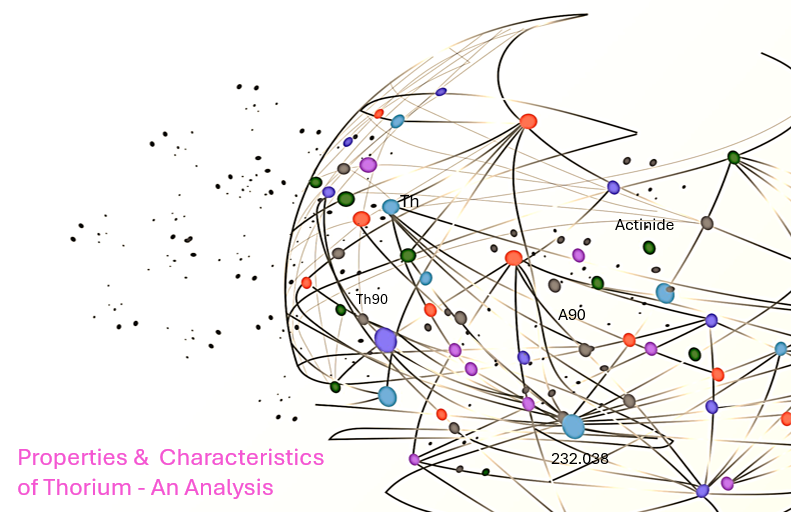
Properties and Characteristics of Thorium – An Analysis

थोरियम के गुण और विशेषताएँ - एक विश्लेषण

Thorium is a weakly radioactive chemical element. Its symbol is Th and atomic number is 90. It is a naturally occurring metal, named after Thor, the god of Scandinavian mythology.

Properties and Characteristics of Thorium

Radioactivity: Thorium is a slowly decaying radioactive element. Its most stable isotope is thorium-232 (Th232), which has a half-life of 14.05 billion years.

Physical Properties: It is a soft, silvery-white metal that darkens when exposed to air. It melts at high temperatures.

Thorium Cycle: It is an important nuclear fuel because it can absorb neutrons to transform into uranium-233 (U233), a fissile material that can be used to produce energy in nuclear reactors.

Where is Thorium Found?

India has the largest reserves of thorium. Subsequently, significant reserves are found in countries like Brazil, Australia, the United States, and Turkey.

India holds the largest share of the world’s thorium reserves, accounting for approximately 25-30% of the total global reserves. Thorium in India is primarily found in the form of monazite sand.

Coastal Regions: Most of India’s thorium reserves are located in the eastern and western coastal regions of the country.

States: The largest reserves are located in the coastal areas of Kerala, Andhra Pradesh, and Tamil Nadu. Thorium reserves also exist in Odisha, Jharkhand, and Bihar.

The use of thorium is an important component of India’s nuclear energy program, which aims to ensure energy security by utilizing the country’s vast thorium reserves.

Other Major Thorium Reserves in the World

Besides India, several other countries also have significant thorium reserves, as follows:

Brazil:   Brazil also has large thorium reserves, found primarily in coastal sands.

Australia: Australia also has abundant thorium deposits.

The United States:  The United States, particularly in Idaho and Montana, has significant thorium reserves.

Turkey: Turkey has also been confirmed to have significant thorium reserves.

Egypt: Thorium deposits are also found in the Nile Delta region of Egypt.

Uses of Thorium:

Thorium is used in many fields, the most important of which is nuclear energy. It also has some traditional and industrial uses.

Nuclear Energy: The most important and future use of thorium is in the production of nuclear energy.

Nuclear Fuel: Thorium-232 (Th232) is a fertile material, meaning it cannot be used directly for fission. However, when struck with a neutron, it transforms into fissile uranium-233 (U233). This U233 can be used as fuel in nuclear reactors.

Thorium-Based Reactors: Thorium-based reactors are being developed around the world, especially in India. These reactors are considered safer and produce less radioactive waste than uranium reactors. India’s three-stage nuclear power program is designed to utilize its vast reserves of thorium.

Low Carbon Emissions: Thorium-fired nuclear reactors help reduce carbon emissions by reducing dependence on fossil fuels, thereby helping to combat climate change.

Industrial and Traditional Uses:

Thorium’s use isn’t limited to nuclear energy; it also has some other important uses:

Gas lantern mantles: In ancient times, thorium dioxide (ThO2) was used to make gas lantern mantles. These mantles gave off a bright white light when heated.

Alloys: Thorium is combined with metals like magnesium to create high-strength alloys. These alloys are used in aircraft engines and the aerospace industry, where lightweight and strong materials are required.

Catalysts: Thorium dioxide is also used as a catalyst in some chemical processes.

Electronic equipment: Thorium is used in certain types of electronic equipment and optical lenses.

Welding electrodes: Thorium is often used in combination with tungsten to make welding electrodes (TIG welding), although its use is gradually declining due to concerns about radioactivity.

Uses of Thorium and Its Impact on the Environment and Health:-

Overall, thorium’s greatest importance lies in its role as a nuclear fuel, which could provide a clean and safe alternative to meet growing energy demands in the future.

Using Thorium: It’s important to consider certain environmental and health risks when using thorium. Let’s understand these risks:

Radioactivity and Radiation Exposure:-

Weak Radioactivity: Thorium is a radioactive element. Its most common isotope, thorium-232, slowly decays to form several radioactive byproducts, including gases such as radium and radon.

Health Effects: Inhaling or ingesting radioactive particles through dust and gases, whether used or mined, can be harmful to health. This can lead to the risk of lung cancer and other serious illnesses.


by www.resultplot.com

थोरियम के गुण-एक विश्लेषण

थोरियम के गुण और विशेषताएँ - एक विश्लेषण

थोरियम (Thorium) के गुण और विशेषताएँ – एक विश्लेषण

                                थोरियम एक कमजोर रेडियोधर्मी रासायनिक तत्व है। इसका प्रतीक Th और परमाणु संख्या 90 है। यह प्रकृति में पाया जाने वाला एक धातु है, जिसका नाम स्कैंडिनेवियाई पौराणिक कथाओं के देवता, थोर के नाम पर रखा गया है।थोरियम के गुण और विशेषताएँ

  • रेडियोधर्मिता: थोरियम एक धीमी गति से विघटित होने वाला रेडियोधर्मी तत्व है। इसका सबसे स्थिर आइसोटोप थोरियम-232 (Th232) है, जिसका आधा जीवन  14.05 बिलियन वर्ष है।
  • भौतिक गुण: यह एक नरम, चांदी जैसी-सफेद धातु है जो हवा के संपर्क में आने पर काली हो जाती है। यह उच्च तापमान पर पिघलता है।
  • थोरियम चक्र: यह एक महत्वपूर्ण नाभिकीय ईंधन है क्योंकि यह न्यूट्रॉन को अवशोषित करके यूरेनियम-233 (U233) में बदल सकता है, जो एक विखंडनीय पदार्थ है और परमाणु रिएक्टरों में ऊर्जा उत्पादन के लिए इस्तेमाल किया जा सकता है।

थोरियम कहाँ पाया जाता है:-

थोरियम का सबसे बड़ा भंडार भारत में है। इसके बाद, ब्राजील, ऑस्ट्रेलिया, अमेरिका और तुर्की जैसे देशों में भी महत्वपूर्ण भंडार पाए जाते हैं।

भारत के पास दुनिया के थोरियम भंडार का सबसे बड़ा हिस्सा है, जो कि कुल वैश्विक भंडार का लगभग 25-30% है। भारत में थोरियम मुख्य रूप से मोनज़ाइट रेत के रूप में पाया जाता है।

  • तटीय क्षेत्र: भारत के अधिकांश थोरियम भंडार देश के पूर्वी और पश्चिमी तटीय क्षेत्रों में स्थित हैं।
  • राज्य: सबसे बड़े भंडार केरल, आंध्र प्रदेश और तमिलनाडु के तटीय इलाकों में हैं। इसके अलावा ओडिशा, झारखंड और बिहार में भी थोरियम के भंडार मौजूद हैं।

भारत के परमाणु ऊर्जा कार्यक्रम में थोरियम का उपयोग एक महत्वपूर्ण हिस्सा है, क्योंकि इसका लक्ष्य देश के विशाल थोरियम भंडार का उपयोग करके ऊर्जा सुरक्षा सुनिश्चित करना है।

विश्व में थोरियम के अन्य प्रमुख भंडार

भारत के अलावा, कई अन्य देशों में भी थोरियम के महत्वपूर्ण भंडार हैं, जो इस प्रकार हैं:

  • ब्राजील: ब्राजील में भी थोरियम के बड़े भंडार हैं, जो मुख्य रूप से तटीय रेत में पाए जाते हैं।
  • ऑस्ट्रेलिया: ऑस्ट्रेलिया के पास भी थोरियम के प्रचुर भंडार हैं।
  • अमेरिका: संयुक्त राज्य अमेरिका में, विशेष रूप से इडाहो और मोंटाना में थोरियम के बड़े भंडार हैं।
  • तुर्की: तुर्की में भी थोरियम के बड़े भंडार होने की पुष्टि हुई है।
  • मिस्र: मिस्र के नील डेल्टा क्षेत्र में भी थोरियम के भंडार पाए जाते हैं।

थोरियम का उपयोग:-

थोरियम का उपयोग कई क्षेत्रों में होता है, जिनमें से सबसे महत्वपूर्ण नाभिकीय ऊर्जा है। इसके अलावा, इसके कुछ पारंपरिक और औद्योगिक उपयोग भी हैं।

  1. नाभिकीय ऊर्जा (Nuclear Energy)

थोरियम का सबसे महत्वपूर्ण और भविष्य का उपयोग परमाणु ऊर्जा के उत्पादन में है।

  • नाभिकीय ईंधन: थोरियम-232 (Th232) एक फर्टाइल पदार्थ है, जिसका अर्थ है कि यह सीधे तौर पर विखंडन (fission) के लिए इस्तेमाल नहीं किया जा सकता। लेकिन, जब इसे न्यूट्रॉन से टकराया जाता है, तो यह विखंडनीय (fissile) यूरेनियम-233 (U233) में बदल जाता है। यह U233 परमाणु रिएक्टरों में ईंधन के रूप में इस्तेमाल किया जा सकता है।
  • थोरियमआधारित रिएक्टर: दुनिया भर में, खासकर भारत में, थोरियम-आधारित रिएक्टरों को विकसित किया जा रहा है। इन रिएक्टरों को यूरेनियम रिएक्टरों की तुलना में अधिक सुरक्षित और कम रेडियोधर्मी कचरा उत्पन्न करने वाला माना जाता है। भारत का तीन-चरणीय परमाणु ऊर्जा कार्यक्रम थोरियम के विशाल भंडार का उपयोग करने के लिए डिज़ाइन किया गया है।
  • कम कार्बन उत्सर्जन: थोरियम से चलने वाले परमाणु रिएक्टर जीवाश्म ईंधन पर निर्भरता कम करके कार्बन उत्सर्जन को घटाने में मदद करते हैं, जिससे जलवायु परिवर्तन से लड़ने में सहायता मिलती है।
  1. औद्योगिक और पारंपरिक उपयोग

थोरियम का उपयोग केवल परमाणु ऊर्जा तक ही सीमित नहीं है, इसके कुछ अन्य महत्वपूर्ण उपयोग भी हैं:

  • गैस लालटेन के मेंटल: पुराने समय में, थोरियम डाइऑक्साइड (ThO2) का उपयोग गैस लालटेन के मेंटल (जालियाँ) बनाने में होता था। ये मेंटल गर्म होने पर चमकदार सफेद रोशनी देते थे।
  • मिश्र धातु (Alloy): थोरियम को मैग्नीशियम जैसी धातुओं के साथ मिलाकर उच्च-शक्ति वाली मिश्र धातुएँ बनाई जाती हैं। इन मिश्र धातुओं का उपयोग विमानों के इंजन और एयरोस्पेस उद्योग में किया जाता है, जहाँ हल्के और मजबूत सामग्री की आवश्यकता होती है।
  • उत्प्रेरक (Catalyst): थोरियम डाइऑक्साइड का उपयोग कुछ रासायनिक प्रक्रियाओं में एक उत्प्रेरक के रूप में भी किया जाता है।
  • इलेक्ट्रॉनिक उपकरण: कुछ विशेष प्रकार के इलेक्ट्रॉनिक उपकरणों और ऑप्टिकल लेंसों में थोरियम का उपयोग होता है।
  • वेल्डिंग इलेक्ट्रोड: थोरियम को अक्सर टंगस्टन के साथ मिलाकर वेल्डिंग इलेक्ट्रोड (TIG वेल्डिंग) बनाने में इस्तेमाल किया जाता है, हालांकि रेडियोधर्मिता की चिंताओं के कारण इसका उपयोग धीरे-धीरे कम हो रहा है।

थोरियम का उपयोग और पर्यावरण एवं स्वास्थ्य पर इसका प्रभाव:

कुल मिलाकर, थोरियम का सबसे बड़ा महत्व इसके परमाणु ईंधन के रूप में है, जो भविष्य में ऊर्जा की बढ़ती मांगों को पूरा करने के लिए एक स्वच्छ और सुरक्षित विकल्प प्रदान कर सकता है।

थोरियम का प्रयोग: थोरियम का प्रयोग करते समय पर्यावरण और स्वास्थ्य संबंधी कुछ जोखिमों को ध्यान में रखना ज़रूरी है। आइए, इन जोखिमों को समझते हैं:

  1. रेडियोधर्मिता और विकिरण जोखिम
  • कमजोर रेडियोधर्मिता: थोरियम एक रेडियोधर्मी तत्व है। इसका सबसे सामान्य आइसोटोप, थोरियम-232, धीरे-धीरे क्षय होकर कई रेडियोधर्मी उप-उत्पादों का निर्माण करता है, जिसमें रेडियम और रेडॉन जैसी गैसें शामिल हैं।
  • स्वास्थ्य प्रभाव: थोरियम का उपयोग करते समय या उसके खनन के दौरान, धूल और गैसों के माध्यम से रेडियोधर्मी कणों का साँस लेना या निगलना स्वास्थ्य के लिए हानिकारक हो सकता है। इससे फेफड़ों के कैंसर या अन्य गंभीर बीमारियाँ होने का खतरा होता है। यही कारण है कि इसे बहुत सावधानी से संभाला जाता है।
  1. परमाणु कचरे का प्रबंधन
  • कम खतरनाक कचरा: पारंपरिक यूरेनियम-आधारित रिएक्टरों की तुलना में, थोरियम-आधारित रिएक्टरों से निकलने वाला परमाणु कचरा कम मात्रा में और कम समय तक रेडियोधर्मी रहता है। यह थोरियम का एक बड़ा फायदा है।
  • फिर भी, प्रबंधन की चुनौती: हालांकि कचरा कम खतरनाक होता है, फिर भी इसे सुरक्षित रूप से संग्रहित और प्रबंधित करना एक बड़ी चुनौती है।
  1. खनन और पर्यावरण पर असर
  • मोनज़ाइट खनन: थोरियम अक्सर मोनज़ाइट रेत से निकाला जाता है। इस खनन प्रक्रिया के दौरान, बड़े पैमाने पर रेत को धोया जाता है, जिससे स्थानीय जलीय पारिस्थितिकी तंत्र और तटीय क्षेत्रों पर नकारात्मक असर पड़ सकता है।
  • प्रदूषण: खनन से निकलने वाले अपशिष्ट जल में रेडियोधर्मी और अन्य जहरीले पदार्थ हो सकते हैं, जिससे मिट्टी और पानी का प्रदूषण हो सकता है।

थोरियम के उपयोग से पर्यावरण को होने वाले नुकसान को कम किया जा सकता है, लेकिन इसके लिए कुछ खास सावधानियाँ बरतना बहुत ज़रूरी है:

  • सुरक्षित खनन और प्रसंस्करण: थोरियम के खनन और प्रसंस्करण के लिए कड़े सुरक्षा नियम और उन्नत तकनीक का इस्तेमाल करना चाहिए ताकि रेडियोधर्मी प्रदूषण को कम किया जा सके।
  • विकिरण सुरक्षा: थोरियम से जुड़े कर्मचारियों और आसपास के समुदायों को विकिरण से बचाने के लिए उचित उपाय करना आवश्यक है।
  • कचरा प्रबंधन: परमाणु कचरे के सुरक्षित और प्रभावी प्रबंधन के लिए दीर्घकालिक योजनाएँ बनाना ज़रूरी है।

हालांकि थोरियम को एक स्वच्छ ऊर्जा स्रोत माना जाता है क्योंकि यह जीवाश्म ईंधन की तरह कार्बन उत्सर्जन नहीं करता, फिर भी इसके रेडियोधर्मी गुणों के कारण इसका प्रबंधन बहुत ही सावधानी से किया जाना चाहिए।


थोरियम का भविष्य

भविष्य में थोरियम को परमाणु ऊर्जा का एक प्रमुख स्रोत माना जा रहा है, खासकर भारत जैसे देशों के लिए जहाँ इसका प्रचुर भंडार है। थोरियम-आधारित रिएक्टरों से ऊर्जा सुरक्षा और पर्यावरण को लाभ मिलने की उम्मीद है, क्योंकि ये कम कार्बन उत्सर्जन करते हैं और कम समय तक रेडियोधर्मी रहने वाला कचरा उत्पन्न करते हैं। हालांकि, इन रिएक्टरों को व्यावसायिक स्तर पर विकसित करने में अभी भी तकनीकी और आर्थिक चुनौतियाँ हैं।


by www.resultplot.com

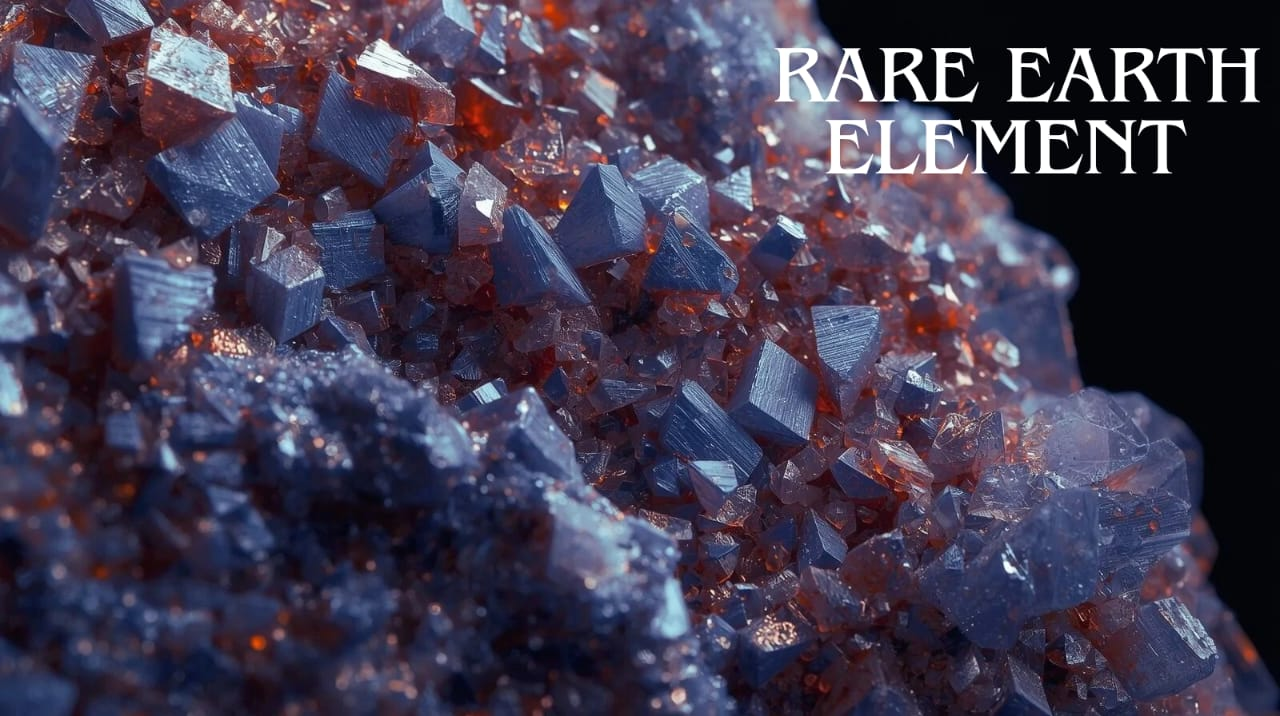
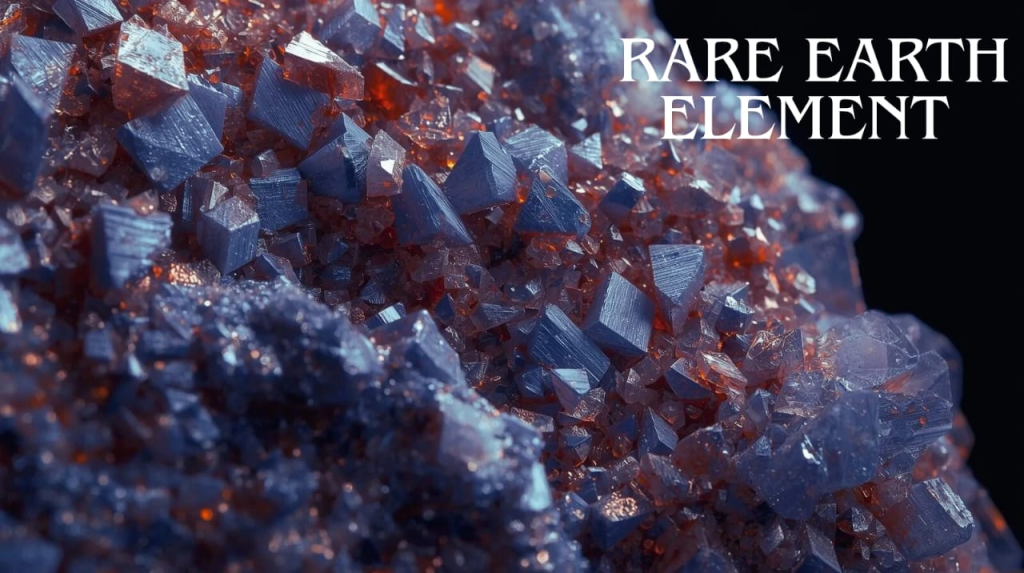
Rare Earth Elements : An Introduction

Rare Earth Elements

Rare Earth Elements : An Introduction  

Rare Earth Elements
Rare Earth Elements

Rare Earth Elements are a group of 17 metals, including 15 lanthanide elements, Scandium, and Yttrium. These elements are found in the third group of the periodic table. Although the word ‘rare’ is in their name, they are quite abundant in the Earth’s crust. Some of them, like Cerium, are as common as copper.

These elements are called rare because they are often very scattered, making it difficult to find and extract them in sufficient quantities from minerals.

Uses :- Rare earth elements are very important in modern technology and defense industries. Some of their key uses are:

  • Magnets: Neodymium and Dysprosium are used to create high-strength permanent magnets, which are used in electric vehicles, wind turbines, and smartphones.
  • Electronics: They are used in smartphones, computers, and television screens. Elements like Europium and Terbium help create vibrant colors (red and green) in displays.
  • Petroleum Refining: Cerium is used as a catalyst to purify petroleum.
  • Defense Equipment: They are used in advanced defense equipment such as rockets, missiles, drones, and fighter jets.
  • Medical: Gadolinium is used as a contrast agent in MRI scans.

There are a total of 17 rare earth elements. They include:

  • 15 Lanthanide Elements: Lanthanum, Cerium, Praseodymium, Neodymium, Promethium, Samarium, Europium, Gadolinium, Terbium, Dysprosium, Holmium, Erbium, Thulium, Ytterbium, and Lutetium.
  • Two Other Elements: Scandium and Yttrium.

All these elements are found in the third group of the periodic table.

Sources and Major Producers : Rare earth elements are found in many places on the Earth’s surface but are mainly extracted from specific minerals. The most common minerals are:

  • Monazite: This is a reddish-brown phosphate mineral containing lanthanide elements, thorium, and yttrium. It is found in countries like India, Brazil, and the United States.
  • Bastnasite: This is a fluorocarbonate mineral found mainly in China and the United States. It is the largest source of rare earth elements in China.
  • Loparite: This is an important mineral found in Russia.

Major Producing Countries : The production of rare earth elements in the world is limited to a few countries.

  • China: China is the world’s largest producer and controls a large portion of the global supply. China has large reserves of Bastnasite and ion-adsorption clays.
  • United States: The Mountain Pass mine in California is a major source in the US.
  • Australia: Australia also produces rare earth elements.
  • India: India has significant reserves in the form of monazite sands, especially in coastal areas.

The process of extracting and purifying these elements is complex and environmentally impactful because these minerals are often found with radioactive elements like thorium.

Extraction and Purification Process : Purifying rare earth elements is a complex and multi-step process. This process depends on the type of minerals and the mixture of elements present in them. Rare earth elements are primarily purified by two methods:

  • Solvent Extraction: This is the most common and effective method. In this process, rare earth elements are separated based on their chemical properties.
    • First, the raw mineral is ground into a fine powder and mixed into a solution (like sulfuric acid). The rare earth elements are separated from this solution.
    • Next, this solution is mixed with an organic solvent. This solvent reacts with only specific rare earth elements.
    • After the reaction, the two solutions separate. One solution contains the purified elements, while the other contains impurities and the remaining elements.
    • This process is repeated many times to extract different elements according to their purity.
  • Ion Exchange: This method is used to obtain high-purity elements.
    • It uses a special type of resin that can absorb ions.
    • When the rare earth element solution passes through this resin, the resin holds back the ions of some elements, while the rest pass through.
    • This process also happens in multiple stages, allowing each element to be separated.

Challenges

  • Similar Chemical Properties: All rare earth elements have very similar chemical properties, which makes separating them extremely difficult. This is why the process is done in multiple stages.
  • Environmental Impact: The extraction and purification process often use harmful chemicals, which can cause water and soil pollution. Some minerals also contain radioactive elements, which raises safety concerns.
  • High Cost: This process is very expensive because it requires advanced technology and a lot of energy.

Due to these challenges, only a few countries in the world can purify large quantities of rare earth elements. China is a leader in this field.


Key and Most Used Rare Earth Elements

Some of the key and most used rare earth elements out of the 17 are as follows:

  1. Neodymium
    • Use: It is the most important rare earth element. It is used to make ultra-strong neodymium magnets.
    • Importance: These magnets are essential for the motors of electric vehicles (EVs), wind turbines, smartphones, headphones, and computer hard drives. Their high magnetic strength makes them indispensable for modern technology.
  2. Dysprosium
    • Use: Dysprosium is often mixed with Neodymium.
    • Importance: It helps the neodymium magnets maintain their magnetic strength at high temperatures. In electric vehicles and wind turbines, where motors get very hot, the use of Dysprosium keeps the magnets stable.
  3. Cerium
    • Use: Cerium is the most abundant rare earth element. It is mainly used as a catalyst in petroleum refining.
    • Importance: It helps reduce harmful gases in the catalytic converters of automobiles. It is also used in polishing powders and some types of glass.
  4. Lanthanum
    • Use: It is used in the batteries of hybrid cars, such as nickel-metal hydride (NiMH) batteries.
    • Importance: It helps the batteries hold more charge and not discharge quickly. It is also used to make camera lenses and other optical equipment.
  5. Yttrium
    • Use: Yttrium is commonly used to create red-colored phosphors in television and computer displays.
    • Importance: It makes the displays bright and colorful. It is also used to make some special types of lasers and superconductors.

These elements are important because they are used in modern technologies that are crucial for our daily lives and industrial development.


Iron का सेवन और लाभ

Result Plot
 

Iron (लोहा) : शरीर के लिए आवश्यक तत्व -सेवन और लाभ

Benefit of Iron
Benefit of Iron

Iron (लोहा) हमारे शरीर के लिए एक बहुत ही महत्वपूर्ण खनिज है, और इसके बिना हमारा शरीर ठीक से काम नहीं कर पाएगा। जब शरीर में लोहे की कमी होती है, तो थकान, कमजोरी, सांस फूलना, और त्वचा का पीला पड़ना जैसे लक्षण दिखाई देते हैं। खासकर महिलाओं, बच्चों और शाकाहारी लोगों में लोहे की कमी होने की संभावना अधिक होती है।

शरीर में Iron के मुख्य कार्य:-

  • हीमोग्लोबिन बनाना (Hemoglobin Formation): यह लोहे का सबसे महत्वपूर्ण कार्य है। हीमोग्लोबिन एक प्रोटीन है जो हमारी लाल रक्त कोशिकाओं (red blood cells) में पाया जाता है। इसका काम है फेफड़ों से ऑक्सीजन को पूरे शरीर के अंगों और ऊतकों तक पहुँचाना। अगर शरीर में लोहे की कमी होती है, तो हीमोग्लोबिन भी कम बनता है, जिससे शरीर को पर्याप्त ऑक्सीजन नहीं मिल पाती। इस स्थिति को एनीमिया (Anemia) कहते हैं।
  • मांसपेशियों के लिए ऑक्सीजन (Oxygen for Muscles): लोहा मांसपेशियों में पाए जाने वाले एक प्रोटीन मायोग्लोबिन (Myoglobin) का भी एक हिस्सा है। मायोग्लोबिन मांसपेशियों में ऑक्सीजन को स्टोर करता है, जिससे वे सही तरीके से काम कर पाती हैं।
  • ऊर्जा का उत्पादन (Energy Production): लोहा हमारे शरीर में ऊर्जा बनाने वाले एंजाइमों (enzymes) का एक महत्वपूर्ण हिस्सा है। यह हमें दिन भर सक्रिय और ऊर्जावान रहने में मदद करता है।
  • रोग प्रतिरोधक क्षमता (Immune System): लोहा हमारी प्रतिरक्षा प्रणाली (immune system) को मजबूत बनाए रखने में भी मदद करता है, जिससे हम बीमारियों से लड़ पाते हैं।
  • मस्तिष्क का विकास (Brain Development): बच्चों और किशोरों में मस्तिष्क के सही विकास और कामकाज के लिए भी लोहा बहुत जरूरी है।

Iron की कमी से क्या होता है?

जब शरीर में लोहे की कमी होती है, तो थकान, कमजोरी, सांस फूलना, और त्वचा का पीला पड़ना जैसे लक्षण दिखाई देते हैं। खासकर महिलाओं, बच्चों और शाकाहारी लोगों में लोहे की कमी होने की संभावना अधिक होती है।

अगर आपको लगता है कि आपके शरीर में लोहे की कमी हो सकती है, तो डॉक्टर से सलाह लें। वे आपको सही आहार या सप्लीमेंट लेने की सलाह दे सकते हैं।


एनीमिया के लक्षण क्या हैं?

एनीमिया के लक्षण हल्के से लेकर गंभीर तक हो सकते हैं, और यह इस बात पर निर्भर करता है कि बीमारी कितनी बढ़ चुकी है। शुरुआत में, आपको कोई खास लक्षण महसूस नहीं हो सकते हैं, लेकिन जैसे-जैसे शरीर में हीमोग्लोबिन की कमी होती है, लक्षण साफ दिखने लगते हैं।

एनीमिया के कुछ मुख्य लक्षण इस प्रकार हैं:

सबसे आम लक्षण

  • थकान और कमजोरी: यह एनीमिया का सबसे आम लक्षण है। शरीर के ऊतकों को पर्याप्त ऑक्सीजन नहीं मिल पाती, जिससे आप हर समय थका हुआ और कमजोर महसूस करते हैं, यहाँ तक कि मामूली काम करने पर भी।
  • सांस फूलना: शरीर में ऑक्सीजन की कमी के कारण थोड़ा सा चलने या सीढ़ियाँ चढ़ने पर भी सांस फूलने लगती है।
  • पीली त्वचा: हीमोग्लोबिन की कमी से त्वचा, नाखून, और आँखों के नीचे का हिस्सा पीला दिखाई देने लगता है।

अन्य लक्षण

  • चक्कर आना या सिरदर्द: मस्तिष्क में ऑक्सीजन की कमी से चक्कर आ सकते हैं या सिर में दर्द हो सकता है।
  • दिल की धड़कन तेज होना या अनियमित होना: शरीर में ऑक्सीजन की कमी को पूरा करने के लिए दिल को ज्यादा मेहनत करनी पड़ती है, जिससे धड़कन तेज हो जाती है।
  • हाथ-पैर ठंडे रहना: खराब रक्त संचार (circulation) के कारण हाथ और पैर ठंडे महसूस हो सकते हैं।
  • नाखून कमजोर होना: नाखून कमजोर और टूटने लगते हैं। कुछ मामलों में, नाखून चम्मच के आकार के (spoon-shaped) भी हो सकते हैं।
  • बालों का झड़ना: बालों का झड़ना भी एनीमिया का एक लक्षण हो सकता है।
  • कमजोर एकाग्रता: ऑक्सीजन की कमी से ध्यान लगाने और सोचने की क्षमता पर भी असर पड़ सकता है।

यदि आप इन लक्षणों में से कोई भी लक्षण महसूस करते हैं, खासकर अगर वे लंबे समय से बने हुए हैं, तो डॉक्टर से सलाह लेना बहुत ज़रूरी है। वे सही जांच करके एनीमिया का पता लगा सकते हैं और इसका उचित इलाज शुरू कर सकते हैं।


आयरन के मुख्य लाभ

आयरन यानी लोहा, हमारे शरीर के लिए एक बहुत ही महत्वपूर्ण पोषक तत्व है। इसके कई लाभ हैं जो हमारे पूरे स्वास्थ्य को बेहतर बनाने में मदद करते हैं।

  1. ऊर्जा और स्फूर्ति बढ़ाए: आयरन का सबसे बड़ा लाभ है ऊर्जा उत्पादन में मदद करना। यह हीमोग्लोबिन का एक ज़रूरी हिस्सा है जो फेफड़ों से ऑक्सीजन को पूरे शरीर की कोशिकाओं तक पहुँचाता है। जब शरीर को पर्याप्त ऑक्सीजन मिलती है, तो आप ज़्यादा ऊर्जावान महसूस करते हैं और थकान कम होती है।
  2. रोग प्रतिरोधक क्षमता (Immunity) को मज़बूत करे: आयरन हमारी रोग प्रतिरोधक क्षमता को बढ़ाने में महत्वपूर्ण भूमिका निभाता है। यह उन कोशिकाओं के निर्माण में मदद करता है जो शरीर को संक्रमण और बीमारियों से बचाती हैं।
  3. दिमाग़ के काम को बेहतर बनाए: दिमाग़ के सही विकास और कार्यक्षमता के लिए आयरन ज़रूरी है। यह न्यूरोट्रांसमीटर (neurotransmitters) के उत्पादन में मदद करता है जो दिमाग़ के संकेतों को नियंत्रित करते हैं। पर्याप्त आयरन मिलने से एकाग्रता, याददाश्त और सीखने की क्षमता बेहतर होती है।
  4. गर्भावस्था में सहायक: गर्भवती महिलाओं के लिए आयरन बहुत ज़रूरी है। यह माँ और भ्रूण दोनों के लिए पर्याप्त रक्त और ऑक्सीजन सुनिश्चित करता है। गर्भावस्था के दौरान आयरन की कमी से समय से पहले प्रसव या बच्चे का वजन कम होने का खतरा बढ़ सकता है।
  5. मांसपेशियों को सही ढंग से काम करने में मदद करे: आयरन मांसपेशियों में मायोग्लोबिन नामक प्रोटीन का हिस्सा होता है, जो मांसपेशियों में ऑक्सीजन को स्टोर करता है। यह मांसपेशियों को सही ढंग से काम करने और व्यायाम के दौरान बेहतर प्रदर्शन करने में मदद करता है।
  6. बालों और त्वचा के स्वास्थ्य के लिए: शरीर में आयरन की कमी से बाल झड़ने लगते हैं और त्वचा पीली दिखती है। पर्याप्त आयरन का सेवन स्वस्थ बालों और चमकदार त्वचा को बनाए रखने में मदद करता है, क्योंकि यह कोशिकाओं तक ऑक्सीजन पहुँचाता है जो उनके पोषण के लिए ज़रूरी है।

इन सभी लाभों को पाने के लिए, हमें अपने आहार में आयरन से भरपूर खाद्य पदार्थों को शामिल करना चाहिए।

क्या आयरन के कोई साइड इफेक्ट्स भी होते हैं?

हाँ, बिल्कुल। जहाँ एक तरफ आयरन हमारे शरीर के लिए बहुत ज़रूरी है, वहीं दूसरी तरफ, इसकी ज़्यादा मात्रा शरीर के लिए हानिकारक भी हो सकती है। इसे आयरन ओवरलोड या आयरन विषाक्तता (Iron Toxicity) कहते हैं।

आयरन के साइड इफेक्ट्स आमतौर पर दो स्थितियों में दिखते हैं:

  1. आयरन सप्लीमेंट लेने पर होने वाले सामान्य साइड इफेक्ट्स: अगर आप डॉक्टर की सलाह पर आयरन सप्लीमेंट ले रहे हैं, तो कुछ सामान्य साइड इफेक्ट्स हो सकते हैं। ये आमतौर पर गंभीर नहीं होते और शरीर के सप्लीमेंट के अभ्यस्त होने पर चले जाते हैं।
  • पेट से जुड़ी समस्याएं: पेट में दर्द, कब्ज, मतली (nausea), उल्टी, और दस्त (diarrhea)।
  • मल का रंग बदलना: आयरन सप्लीमेंट लेने पर मल का रंग काला या गहरा हरा हो सकता है, जो सामान्य है।
  1. शरीर में बहुत ज़्यादा आयरन जमा होने पर होने वाले गंभीर साइड इफेक्ट्स: यह स्थिति तब होती है जब शरीर में ज़रूरत से कहीं ज़्यादा आयरन जमा हो जाता है। यह कुछ अनुवांशिक बीमारियों (जैसे हीमोक्रोमैटोसिस) या लंबे समय तक बहुत ज़्यादा मात्रा में आयरन सप्लीमेंट लेने से हो सकता है।

आयरन ओवरलोड के गंभीर लक्षण और दुष्प्रभाव इस प्रकार हैं:

  • अंगों को नुकसान: अतिरिक्त आयरन शरीर के अंगों, विशेष रूप से लीवर, हृदय (दिल), और अग्न्याशय (pancreas) में जमा होने लगता है। इससे इन अंगों को गंभीर नुकसान हो सकता है।
  • लीवर की समस्याएं: लीवर में आयरन जमा होने से लीवर सिरोसिस या लीवर फेलियर हो सकता है।
  • हृदय संबंधी समस्याएं: दिल में आयरन के जमाव से दिल की धड़कन अनियमित हो सकती है या हृदय रोग हो सकते हैं।
  • मधुमेह (Diabetes): अग्न्याशय में ज़्यादा आयरन जमा होने से यह ठीक से काम नहीं कर पाता, जिससे मधुमेह हो सकता है।
  • जोड़ों में दर्द: कुछ मामलों में, ज़्यादा आयरन जोड़ों में जमा होकर दर्द और सूजन का कारण बन सकता है।
  • थकान और कमजोरी: अत्यधिक आयरन भी लगातार थकान और कमजोरी का कारण बन सकता है।
  • त्वचा का रंग बदलना: त्वचा का रंग कांस्य (bronze) या भूरा हो सकता है।

बच्चों में आयरन विषाक्तता

बच्चों के लिए आयरन की अधिक मात्रा विशेष रूप से खतरनाक हो सकती है। आयरन सप्लीमेंट्स का गलती से ज़्यादा मात्रा में सेवन बच्चों में जानलेवा साबित हो सकता है। इसलिए, आयरन सप्लीमेंट्स को बच्चों की पहुँच से हमेशा दूर रखना चाहिए।

आयरन से भरपूर खाद्य पदार्थ :-

आयरन से भरपूर खाद्य पदार्थ दो प्रकार के होते हैं: हेम आयरन (Heme Iron) और नॉन-हेम आयरन (Non-Heme Iron)

  • हेम आयरन मांसाहारी भोजन में पाया जाता है और शरीर इसे बहुत आसानी से अवशोषित कर लेता है।
  • नॉन-हेम आयरन पौधों से मिलने वाले खाद्य पदार्थों में पाया जाता है और इसे अवशोषित करना थोड़ा मुश्किल होता है। इसे बेहतर ढंग से अवशोषित करने के लिए विटामिन C से भरपूर चीज़ों के साथ खाया जाना चाहिए।

यहाँ आयरन से भरपूर कुछ मुख्य खाद्य पदार्थों की सूची दी गई है:


हेम आयरन से भरपूर खाद्य पदार्थ (मांसाहारी)

  • रेड मीट (लाल मांस): भेड़ का मांस, बकरे का मांस, और बीफ (beef) आयरन का बेहतरीन स्रोत हैं।
  • अंग मांस (Organ Meats): कलेजी (liver) और गुर्दे (kidneys) में आयरन की मात्रा बहुत ज़्यादा होती है।
  • पोल्ट्री (Poultry): चिकन और टर्की में भी अच्छी मात्रा में आयरन पाया जाता है, खासकर डार्क मीट में।
  • मछली: सार्डिन (sardines), सालमन (salmon), टूना (tuna), और मैकरेल (mackerel) जैसी मछलियाँ आयरन से भरपूर होती हैं।
  • सीफूड: झींगा (shrimp), सीप (oysters), और क्लैम (clams) में भी आयरन की अच्छी मात्रा होती है।


नॉन-हेम आयरन से भरपूर खाद्य पदार्थ (शाकाहारी)

  • दालें और फलियाँ: मसूर दाल, चना, राजमा, सोयाबीन, और लोबिया आयरन के बहुत अच्छे स्रोत हैं।
  • हरी पत्तेदार सब्जियाँ: पालक, केल (kale), और सरसों का साग आयरन से भरपूर होते हैं। इन्हें विटामिन C वाले खाद्य पदार्थों (जैसे नींबू) के साथ खाने से आयरन का अवशोषण बेहतर होता है।
  • सूखे मेवे और बीज: कद्दू के बीज, तिल के बीज, अलसी के बीज, और सूरजमुखी के बीज आयरन का अच्छा स्रोत हैं।
  • मेवे (Nuts): काजू और बादाम में भी आयरन पाया जाता है।
  • अनाज: क्विनोआ (quinoa), ओट्स, और ब्राउन राइस। कई नाश्ते के अनाज भी आयरन से फोर्टिफाइड (मजबूत) होते हैं।
  • सूखे फल: किशमिश, खजूर, और आलूबुखारा (prunes) में भी आयरन की मात्रा होती है।
  • मशरूम: कुछ प्रकार के मशरूम में भी आयरन पाया जाता है।

एक जरूरी सलाह

नॉन-हेम आयरन के अवशोषण को बढ़ाने के लिए, इन खाद्य पदार्थों को विटामिन C से भरपूर चीज़ों के साथ खाएं, जैसे नींबू का रस, संतरे, स्ट्रॉबेरी, या शिमला मिर्च।

वहीं, चाय और कॉफी में पाए जाने वाले टैनिन (tannin) नॉन-हेम आयरन के अवशोषण को कम कर सकते हैं, इसलिए इन्हें आयरन से भरपूर भोजन के तुरंत बाद पीने से बचना चाहिए।

संक्षेप में, आयरन हमारे लिए ज़रूरी है, लेकिन इसका सेवन हमेशा डॉक्टर की सलाह के अनुसार ही करना चाहिए। सही मात्रा में आयरन का सेवन करने से इसके फायदे मिलते हैं और साइड इफेक्ट्स का खतरा कम हो जाता है।


अच्छे स्वास्थ्य से संबंधित ब्लॉग पढ़ने के लिए हमसे (www.resultplot.com) जुड़ें।

सौर ऊर्जा (Solar energy) -एक परिचय

Solar Energy

सौर ऊर्जा -एक परिचय

सौर ऊर्जा (Solar energy) का मतलब है सूर्य की रोशनी से बिजली बनाना। यह एक ऐसी प्रक्रिया है जिसमें सूर्य से निकलने वाली ऊर्जा को इकट्ठा करके उसे बिजली में बदला जाता है। यह काम मुख्य रूप से सोलर पैनल (Solar Panel) की मदद से होता है।

Solar Energy
Solar Energy

सोलर पैनल कैसे काम करते हैं?

सोलर पैनल को फोटोवोल्टाइक (Photovoltaic – PV) पैनल भी कहते हैं। ‘फोटो’ का मतलब है ‘रोशनी’ और ‘वोल्टाइक’ का मतलब है ‘बिजली’। यह पैनल सिलिकॉन (silicon) जैसी अर्धचालक (semiconductor) सामग्री से बनी कोशिकाओं (cells) से बने होते हैं। प्रक्रिया कुछ इस तरह होती है:

सूर्य की रोशनी का अवशोषण: जब सूर्य की किरणें इन सोलर पैनल पर पड़ती हैं, तो पैनल में मौजूद सिलिकॉन की कोशिकाएं इन किरणों को सोख लेती हैं।

  1. इलेक्ट्रॉन का प्रवाह: सूर्य की ऊर्जा सिलिकॉन के परमाणुओं में मौजूद इलेक्ट्रॉनों को उत्तेजित करती है। ये इलेक्ट्रॉन अपनी जगह से निकलकर बहना शुरू कर देते हैं, जिससे एक विद्युत प्रवाह (electric current) पैदा होता है।
  2. बिजली में बदलना: यह प्रवाह डायरेक्ट करंट (DC) कहलाता है। आपके घर में इस्तेमाल होने वाली ज़्यादातर बिजली अल्टरनेटिंग करंट (AC) होती है। इसलिए, DC बिजली को AC में बदलने के लिए एक डिवाइस का इस्तेमाल होता है, जिसे इनवर्टर (Inverter) कहते हैं।
  3. बिजली का उपयोग: इनवर्टर से निकलने वाली AC बिजली को सीधे आपके घर के उपकरणों को चलाने के लिए इस्तेमाल किया जा सकता है या इसे बाद में इस्तेमाल के लिए बैटरी में स्टोर किया जा सकता है।

सौर ऊर्जा के फायदे

  • पर्यावरण के अनुकूल: यह प्रदूषण नहीं फैलाती और कार्बन उत्सर्जन को कम करती है।
  • नवीकरणीय (Renewable): सूर्य की ऊर्जा कभी खत्म नहीं होगी, इसलिए यह एक सतत (sustainable) ऊर्जा स्रोत है।
  • लंबे समय में लागत में कमी: एक बार सोलर सिस्टम लगाने के बाद, बिजली का बिल बहुत कम हो जाता है।

संक्षेप में, सोलर ऊर्जा सूर्य की रोशनी का इस्तेमाल करके उसे सीधे बिजली में बदलती है, जिससे यह पर्यावरण के लिए एक बेहतरीन और टिकाऊ विकल्प बन जाती है।

सौर ऊर्जा के क्षेत्र में विकास

सौर ऊर्जा के क्षेत्र में कई बड़े और रोमांचक विकास हो रहे हैं, जो इसे पहले से कहीं ज़्यादा कुशल, सस्ता और सुलभ बना रहे हैं। ये केवल पैनलों तक ही सीमित नहीं हैं, बल्कि ऊर्जा को स्टोर करने और उसे इस्तेमाल करने के नए-नए तरीक़ों तक भी फैल रहे हैं।

. नई टेक्नोलॉजी वाले सोलर पैनल

  • पेरोव्स्काइट सोलर सेल (Perovskite Solar Cells): यह एक नई सामग्री है जो पारंपरिक सिलिकॉन से बनी सेल की तुलना में ज़्यादा रोशनी सोख सकती है। ये सस्ते, हल्के और लचीले होते हैं। इन्हें खिड़कियों पर, कपड़ों पर, या किसी भी मुड़ने वाली सतह पर लगाया जा सकता है, जिससे सौर ऊर्जा का उपयोग करने के नए रास्ते खुल रहे हैं।
  • बाइफेशियल पैनल (Bifacial Panels): ये पैनल दोनों तरफ़ से सूरज की रोशनी को सोख सकते हैं – सामने से सीधी रोशनी और पीछे से ज़मीन या अन्य सतह से परावर्तित (reflected) होने वाली रोशनी। इससे ये ज़्यादा बिजली पैदा करते हैं, खासकर जब इन्हें रेत या बर्फ वाली जगह पर लगाया जाता है।
  • पारदर्शी सोलर पैनल (Transparent Solar Panels): ऐसी तकनीक पर काम हो रहा है जिससे आपकी खिड़कियां और कांच की सतहें भी बिजली बना सकें। ये पैनल दिखने में सामान्य खिड़कियों जैसे ही होते हैं, लेकिन ये सूरज की अल्ट्रावायलेट और इन्फ्रारेड किरणों को बिजली में बदल देते हैं।


 ऊर्जा भंडारण (Energy Storage) में सुधार

सौर ऊर्जा केवल दिन में ही बनती है, इसलिए रात में या बादलों वाले दिनों में इसका इस्तेमाल करने के लिए इसे स्टोर करना ज़रूरी है।

  • उन्नत बैटरी (Advanced Batteries): लिथियम-आयन बैटरी की क्षमता लगातार बढ़ रही है और उनकी क़ीमतें घट रही हैं। इसके अलावा, फ्लो बैटरी (Flow batteries) और सॉलिड-स्टेट बैटरी (Solid-state batteries) जैसी नई बैटरी तकनीकों पर भी शोध चल रहा है, जो लंबे समय तक ऊर्जा को स्टोर कर सकती हैं।


सोलर प्रोजेक्ट:

  • फ्लोटिंग सोलर फ़ार्म (Floating Solar Farms): पानी के ऊपर सोलर पैनल लगाने की तकनीक तेज़ी से लोकप्रिय हो रही है। यह ज़मीन की बचत करती है और पानी से मिलने वाली ठंडक के कारण पैनल की दक्षता (efficiency) भी बढ़ जाती है।
  • कृषि-वोल्टाइक्स (Agrivoltaics): इसमें सोलर पैनलों को खेती वाली ज़मीन के ऊपर इस तरह लगाया जाता है कि पैनल के नीचे खेती की जा सके। इससे एक ही ज़मीन से बिजली और फ़सल, दोनों का उत्पादन होता है।

 भारत में हो रहे विकास

भारत सरकार भी सौर ऊर्जा को बढ़ावा देने के लिए कई योजनाएं चला रही है, जैसे पीएम सूर्य घर योजना। इससे लोग अपनी छतों पर सोलर पैनल लगा पा रहे हैं। भारत में सोलर पैनल और सेल के उत्पादन में भी तेज़ी से वृद्धि हुई है, जिससे हम विदेशों पर अपनी निर्भरता कम कर रहे हैं।

इन सभी विकासों से यह साफ़ है कि सौर ऊर्जा भविष्य की सबसे बड़ी ऊर्जा ज़रूरतों को पूरा करने में एक महत्वपूर्ण भूमिका निभाएगी।

सौर ऊर्जा प्रोजेक्ट्स कई प्रकार के होते हैं, जिन्हें उनके आकार, स्थान और उपयोग के आधार पर वर्गीकृत किया जाता है। यहाँ कुछ मुख्य प्रकार दिए गए हैं:

  1. रूफटॉप सोलर (Rooftop Solar)

यह सबसे आम और लोकप्रिय प्रकार का सोलर प्रोजेक्ट है।

  • विवरण: इसमें घरों, अपार्टमेंटों, या वाणिज्यिक इमारतों की छतों पर सोलर पैनल लगाए जाते हैं।
  • उपयोग: उत्पादित बिजली का उपयोग सीधे उसी इमारत की बिजली ज़रूरतों को पूरा करने के लिए किया जाता है। बची हुई बिजली को ग्रिड में वापस भेजा जा सकता है।
  • विशेषता: यह छोटे से मध्यम स्तर के प्रोजेक्ट होते हैं जो व्यक्तिगत या छोटे व्यवसायों के लिए फ़ायदेमंद हैं।
  1. ग्राउंड-माउंटेड सोलर (Ground-Mounted Solar)

जैसा कि नाम से पता चलता है, ये प्रोजेक्ट ज़मीन पर स्थापित किए जाते हैं।

  • विवरण: सोलर पैनलों को बड़े-बड़े ढांचों पर ज़मीन से कुछ दूरी पर लगाया जाता है। इसके लिए काफ़ी खाली ज़मीन की ज़रूरत होती है।
  • उपयोग: यह बड़े पैमाने पर बिजली उत्पादन के लिए होते हैं और आमतौर पर इन्हें ग्रिड में बिजली बेचने के लिए बनाया जाता है।
  • विशेषता: ये बड़े सोलर फ़ार्म (Solar Farms) या सोलर पार्क (Solar Parks) होते हैं, जो कई मेगावाट (MW) बिजली पैदा कर सकते हैं।
  1. फ्लोटिंग सोलर (Floating Solar)

यह एक नया और तेज़ी से विकसित हो रहा प्रकार है।

  • विवरण: इसमें सोलर पैनलों को पानी की सतह पर तैरते हुए ढांचों पर लगाया जाता है, जैसे झीलों, जलाशयों या तालाबों पर।
  • उपयोग: इसका मुख्य लाभ यह है कि यह ज़मीन का उपयोग नहीं करता और पानी के वाष्पीकरण (evaporation) को भी कम करता है। पानी की ठंडक से पैनलों की दक्षता (efficiency) भी बढ़ती है।
  • विशेषता: यह उन क्षेत्रों के लिए एक उत्कृष्ट विकल्प है जहाँ ज़मीन की कमी है।
  1. बिल्डिंग-इंटीग्रेटेड फोटोवोल्टाइक्स (BIPV)

इस प्रकार में सोलर पैनलों को इमारत की संरचना के साथ एकीकृत (integrated) किया जाता है।

  • विवरण: इसमें सोलर पैनल सिर्फ़ छत पर नहीं लगाए जाते, बल्कि वे इमारत के हिस्से बन जाते हैं, जैसे खिड़कियां, दीवारें, या बालकनी की रेलिंग।
  • उपयोग: यह सौंदर्यशास्त्र (aesthetics) के लिए अच्छा है क्योंकि पैनल इमारत के डिज़ाइन में seamlessly मिल जाते हैं।
  • विशेषता: यह ज़्यादा महंगे होते हैं, लेकिन ये आधुनिक और ऊर्जा-कुशल इमारतों के लिए एक स्मार्ट विकल्प हैं।
  1. हाइब्रिड सोलर सिस्टम (Hybrid Solar System)

यह एक सिस्टम है जो सोलर और किसी अन्य ऊर्जा स्रोत को एक साथ जोड़ता है।

  • विवरण: यह आमतौर पर सोलर पैनल, बैटरी स्टोरेज और एक पारंपरिक जनरेटर (जैसे डीजल) या ग्रिड से जुड़ा होता है।
  • उपयोग: जब सूरज नहीं होता, तो यह बैटरी या दूसरे स्रोत से बिजली लेता है, जिससे बिजली की आपूर्ति में निरंतरता बनी रहती है।
  • विशेषता: यह उन क्षेत्रों के लिए आदर्श है जहाँ बिजली की आपूर्ति अनियमित है या जहाँ ग्रिड उपलब्ध नहीं है।

ये सभी प्रकार अपने-अपने उद्देश्यों और ज़रूरतों के हिसाब से उपयोगी हैं और सौर ऊर्जा को अधिक से अधिक लोगों तक पहुँचाने में मदद कर रहे हैं।

सौर ऊर्जा का इस्तेमाल सिर्फ़ बिजली बनाने तक ही सीमित नहीं है। यह हमारे जीवन के कई और पहलुओं को बेहतर बना रही है।

  1. सोलर कुकर (Solar Cookers)
  • कैसे काम करता है? यह एक बॉक्स जैसा उपकरण होता है जिसके अंदर से सूर्य की रोशनी को सोखा जाता है। यह रोशनी बॉक्स के अंदर गर्मी पैदा करती है, जिसका उपयोग खाना पकाने के लिए किया जाता है।
  • क्या फ़ायदा है? इससे गैस और लकड़ी का इस्तेमाल कम होता है, जिससे प्रदूषण में कमी आती है और ईंधन का ख़र्च बचता है। यह खाना धीरे-धीरे और समान रूप से पकाता है, जिससे खाने के पोषक तत्व (nutrients) बने रहते हैं।
  1. सोलर वॉटर हीटर (Solar Water Heaters)
  • कैसे काम करता है? इसमें पैनलों का उपयोग पानी को गर्म करने के लिए किया जाता है। इन पैनलों में काले रंग के ट्यूब होते हैं, जो सूर्य की गर्मी को सोखते हैं और इन ट्यूबों से गुज़रने वाला पानी गर्म हो जाता है।
  • क्या फ़ायदा है? यह घरों और होटलों में पानी गर्म करने के लिए बिजली या गैस पर निर्भरता को कम करता है, जिससे बिजली के बिल में बड़ी बचत होती है।
  1. सोलर ड्रायर (Solar Dryers)
  • कैसे काम करता है? यह उपकरण हवा को गर्म करने के लिए सौर ऊर्जा का उपयोग करता है। इस गर्म हवा से सब्ज़ियों, फलों या अनाजों को सुखाया जाता है।
  • क्या फ़ायदा है? यह पारंपरिक धूप में सुखाने के तरीक़े से ज़्यादा स्वच्छ और तेज़ होता है, और यह फ़सलों को धूल या कीड़ों से बचाता है।
  1. सोलर पंप (Solar Pumps)
  • कैसे काम करता है? सोलर पैनलों से मिली बिजली का इस्तेमाल सीधे पानी के पंपों को चलाने के लिए किया जाता है, जो कुओं, नदियों या तालाबों से पानी निकाल सकते हैं।
  • क्या फ़ायदा है? यह उन ग्रामीण और दूरदराज के क्षेत्रों के लिए बहुत उपयोगी है जहाँ बिजली नहीं है। किसानों को सिंचाई (irrigation) के लिए डीज़ल जनरेटर पर निर्भर नहीं रहना पड़ता, जिससे लागत में कमी आती है।
  1. ट्रांसपोर्ट और चार्जिंग स्टेशन
  • कैसे काम करता है? अब सोलर ऊर्जा का उपयोग इलेक्ट्रिक वाहनों (EVs) को चार्ज करने के लिए भी किया जा रहा है। कई चार्जिंग स्टेशन अपनी बिजली सोलर पैनलों से बनाते हैं।
  • क्या फ़ायदा है? यह इलेक्ट्रिक वाहनों के लिए एक स्वच्छ और नवीकरणीय ऊर्जा स्रोत प्रदान करता है, जिससे पर्यावरण पर सकारात्मक असर पड़ता है।

इन सभी उपयोगों से यह साफ़ है कि सौर ऊर्जा सिर्फ़ एक बिजली का स्रोत नहीं, बल्कि एक बहु-उपयोगी (versatile) समाधान है जो रोज़मर्रा की कई ज़रूरतों को पूरा कर सकता है।


by www.resultplot.com